In a significant development that has heightened geopolitical tensions in the Middle East, former United States President Donald Trump has issued a stern warning to Iran, emphasizing that America is vigilantly observing the situation. This statement comes as a formidable US naval armada, comprising multiple warships and support vessels, advances toward the strategic Gulf region, a move that underscores the ongoing volatility in international relations.
Trump's Direct Message to Tehran
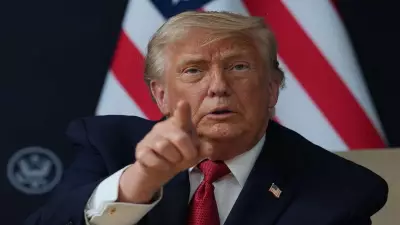
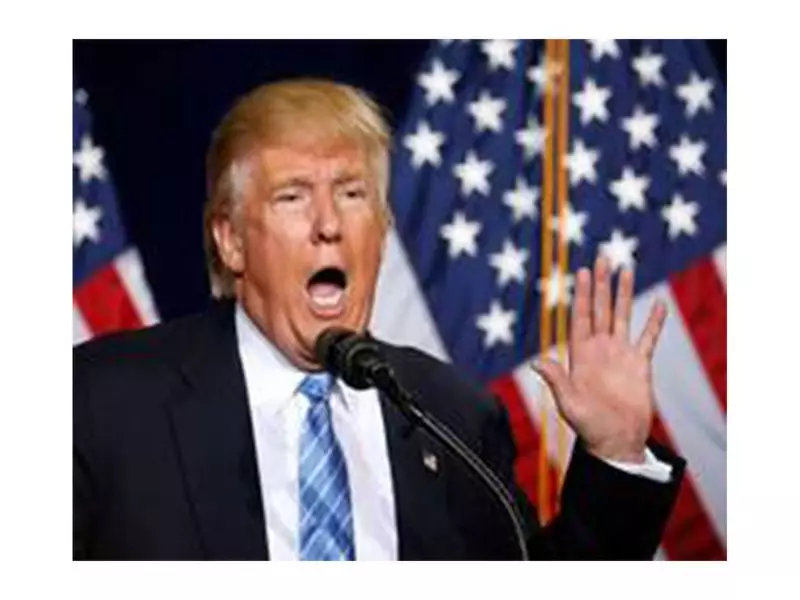
Donald Trump, known for his assertive foreign policy stance during his presidency, took to social media to convey his message, stating that the US is "watching" Iran closely. This warning is seen as a clear signal to Tehran amid reports of increased military activity and potential provocations in the area. Trump's remarks have reignited debates over US-Iran relations, which have been fraught with conflict and diplomatic standoffs for decades.
Deployment of US Naval Forces
The deployment of the US naval fleet to the Gulf region is a strategic maneuver aimed at bolstering American presence and deterring any hostile actions. The armada includes advanced destroyers, aircraft carriers, and submarines, equipped with state-of-the-art weaponry. This show of force is intended to reassure allies in the region, such as Saudi Arabia and Israel, while sending a strong message to adversaries about US readiness to respond to threats.

Historical Context and Current Tensions
The Gulf region has long been a flashpoint for international conflicts, with Iran's nuclear program and regional ambitions at the center of disputes. Under Trump's administration, the US withdrew from the Iran nuclear deal and imposed stringent sanctions, leading to a deterioration in relations. Current tensions are fueled by incidents such as attacks on oil tankers and drone strikes, which have raised concerns about a potential escalation into broader military confrontation.
Implications for Global Stability
This latest development has significant implications for global stability, as any conflict in the Gulf could disrupt oil supplies and trigger economic repercussions worldwide. International observers are closely monitoring the situation, with calls for diplomatic solutions to prevent further escalation. The US's actions are being analyzed in the context of its broader Middle East strategy, which includes countering Iranian influence and ensuring maritime security in vital waterways like the Strait of Hormuz.
Reactions from the International Community
Reactions to Trump's warning and the naval deployment have been mixed. Some allies have expressed support for the US's proactive stance, citing the need to curb Iranian aggression. However, critics argue that such moves could exacerbate tensions and undermine efforts for peaceful dialogue. Iran has yet to issue an official response, but past statements indicate a defiant posture, with leaders vowing to defend their sovereignty against external pressures.
As the situation unfolds, the world watches with bated breath, hoping for de-escalation but preparing for potential outcomes. The interplay between military posturing and diplomatic channels will be crucial in determining the future of US-Iran relations and regional peace.