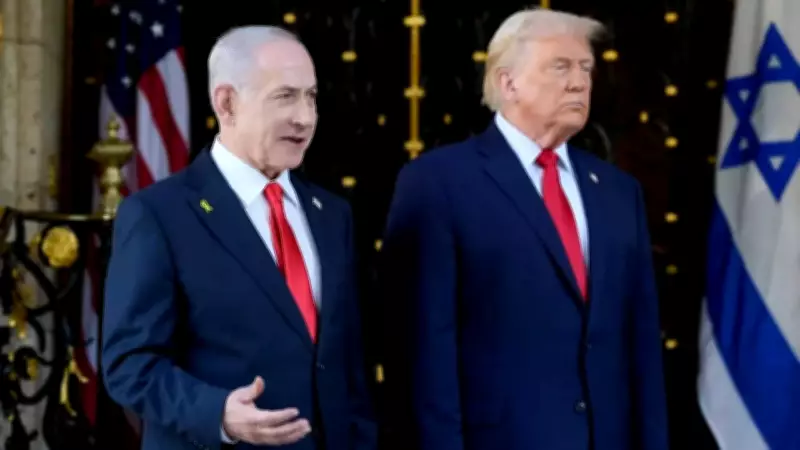
Trump Issues Warning to Iran Following White House Meeting with Netanyahu
Former US President Donald Trump announced that no definitive agreement was reached regarding a nuclear deal after a three-hour meeting with Israeli Prime Minister Benjamin Netanyahu at the White House. In a post on Truth Social, Trump emphasized that he insisted negotiations with Iran must continue during their discussions on Wednesday.
"Very Good Meeting" but No Final Deal
Trump described the encounter as "a very good meeting," highlighting that "the tremendous relationship between our two Countries continues." However, he clarified that "there was nothing definitive reached other than I insisted that negotiations with Iran continue to see whether or not a Deal can be consummated." This statement underscores the ongoing diplomatic efforts despite the lack of a conclusive agreement.
Direct Warning to Iran with Historical Reference
The former president issued a stark warning to Iran, referencing past US military actions. "Last time Iran decided that they were better off not making a deal, they were hit with Midnight Hammer — that did not work well for them," Trump stated, alluding to the June 2025 US strikes on Iran’s three main nuclear sites. He added, "Hopefully this time they will be more reasonable and responsible," signaling potential consequences if negotiations fail.

Broader Middle East Discussions
Beyond the nuclear issue, Trump revealed that the leaders also addressed the war in Gaza and wider developments in the Middle East. This comes as Iran continues to recover from a 12-day conflict with Israel in June, which included US airstrikes on Iranian nuclear facilities, resulting in nearly 1,000 casualties in Iran and about 40 in Israel.
Persistent Demands and Regional Tensions
Israel has long demanded that Iran cease all uranium enrichment, scale back its ballistic missile program, and sever ties with militant groups across the region. Iran has consistently rejected these conditions, stating it would only accept limited nuclear program restrictions in exchange for sanctions relief. Meanwhile, Washington has bolstered its military presence in the area, deploying an aircraft carrier, guided-missile destroyers, and air defense assets.
International Calls for Restraint
Arab and Islamic nations, including Turkey and Qatar, have urged both sides to exercise caution, warning that any further strikes or retaliation could destabilize a region already strained by the Israel-Hamas conflict in Gaza. These diplomatic appeals highlight the fragile state of Middle Eastern geopolitics and the high stakes involved in the ongoing negotiations.