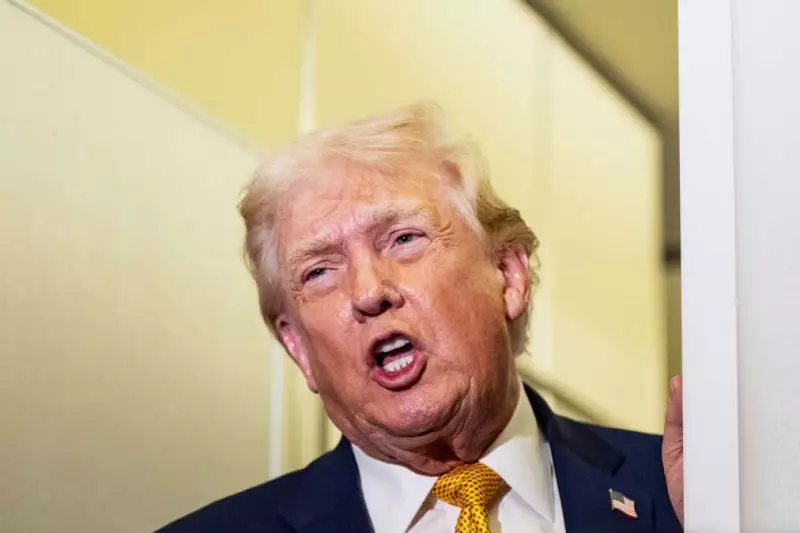
Former United States President Donald Trump has issued a stark warning, suggesting the possibility of a second military intervention in Venezuela. This action is contingent on the country's interim leadership failing to meet specific demands set by the United States.
The Ultimatum to Venezuela's Interim Government
The warning was directed at the interim government led by Juan Guaido. Trump's statement, made public, indicates that the US is prepared to escalate its involvement if the leadership does not comply. The core demands from Washington revolve around establishing a clear and irreversible path towards democratic governance and free elections, moving away from the current regime of Nicolas Maduro.
The context dates back to early 2019 when the US, along with numerous other nations, recognized Juan Guaido as the legitimate interim president of Venezuela. This was following contested elections where Maduro claimed victory. The Trump administration had previously maintained a policy of "maximum pressure" on the Maduro government, involving severe economic sanctions and diplomatic isolation.

Historical Context and Previous Military Posture
This is not the first time military action has been floated. During his presidency, Trump and his advisors had repeatedly stated that "all options are on the table" regarding Venezuela. The new warning signifies a continued hardline stance, even from outside the Oval Office, and serves to keep pressure on the political situation in Caracas.
The statement underscores the ongoing political crisis in the South American nation, which has been grappling with economic collapse, hyperinflation, and a severe humanitarian crisis for years. The US position has been a critical factor in the international approach to Venezuela, influencing the strategies of regional allies.
Potential Consequences and Regional Implications
A second threat of military action carries significant weight for regional stability in Latin America. It raises questions about the future of foreign intervention and the principles of sovereignty. Analysts suggest such warnings aim to bolster the position of the opposition and deter any consolidation of power by the Maduro-led administration.
The response from the Maduro government has been predictably defiant, labeling such threats as imperialist aggression. Meanwhile, the interim government under Guaido faces immense challenges in maintaining momentum and international support amidst a complex and protracted struggle for power.
For the global community, and particularly for nations like India which have maintained diplomatic relations with both sides, the escalating rhetoric presents a delicate diplomatic scenario. The situation continues to evolve, with the welfare of the Venezuelan people remaining a central concern amidst the high-stakes political maneuvering.