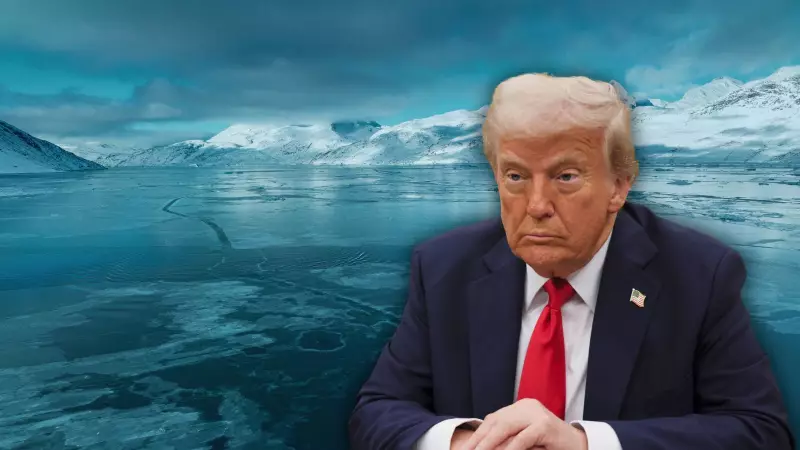
In a revelation that continues to intrigue political observers, former US President Donald Trump's serious consideration of purchasing the vast, icy territory of Greenland from Denmark in 2019 sent shockwaves through diplomatic circles. The episode, far from a fleeting thought, involved high-level discussions and a stark rebuke from European allies, highlighting a unique moment in transatlantic relations.
The Genesis of an Unconventional Proposal
According to multiple reports and accounts from the time, the idea was not a mere joke. Donald Trump repeatedly expressed interest in the strategic and resource-rich autonomous Danish territory. He reportedly discussed the prospect with advisors, questioning why the United States could not acquire Greenland. His curiosity was piqued by the island's geographic significance and potential mineral wealth, viewing it through a lens of national security and economic opportunity.
The notion, however, was met with bewilderment and immediate dismissal by Denmark. The then-Prime Minister Mette Frederiksen famously labeled the idea "absurd," firmly stating that Greenland was not for sale. This strong rejection set the stage for a diplomatic spat. In a move that escalated tensions, Donald Trump responded by abruptly postponing a scheduled state visit to Denmark in September 2019, a clear sign of his displeasure.

European Reactions and Strategic Calculations
The proposal did not occur in a vacuum. European leaders were acutely aware of the shifting dynamics. At the time, the United States under Trump was adopting an increasingly transactional approach to foreign policy and alliances. The Greenland episode was seen by many in European capitals as a symptom of this broader trend, where traditional diplomatic norms were being challenged.
Leaders from other nations watched the unfolding drama with a mix of amusement and concern. It underscored a growing perception that the transatlantic partnership, a cornerstone of post-World War II stability, was under strain. The incident forced European allies to ponder the future of their relationship with a United States that appeared to be re-evaluating its global commitments and interests in starkly commercial terms.
Lasting Implications and the Fallout
The immediate consequence was a significant chill in US-Denmark relations. The cancelled state visit was a tangible outcome, depriving both nations of an opportunity for deeper dialogue on various issues. More broadly, the event became a symbol of the unconventional and often disruptive nature of Trump's foreign policy approach, which frequently left traditional allies scrambling to adapt.
The story of Trump's Greenland interest remains a potent anecdote from his presidency, illustrating how a single, unconventional idea can ripple through the international system. It highlighted the autonomy of Greenland itself, which has its own government and is on a path toward greater independence from Denmark. For analysts, the episode served as a case study in how great power ambitions, resource competition in the Arctic, and personal diplomacy can collide with longstanding international norms and sovereignty.
While the purchase never materialized, the discussion it sparked about sovereignty, climate change's impact on Arctic resources, and the future of geopolitical alliances continues to resonate. It stands as a reminder of how quickly established diplomatic protocols can be upended, prompting nations to reassess their strategic positions in an unpredictable global landscape.