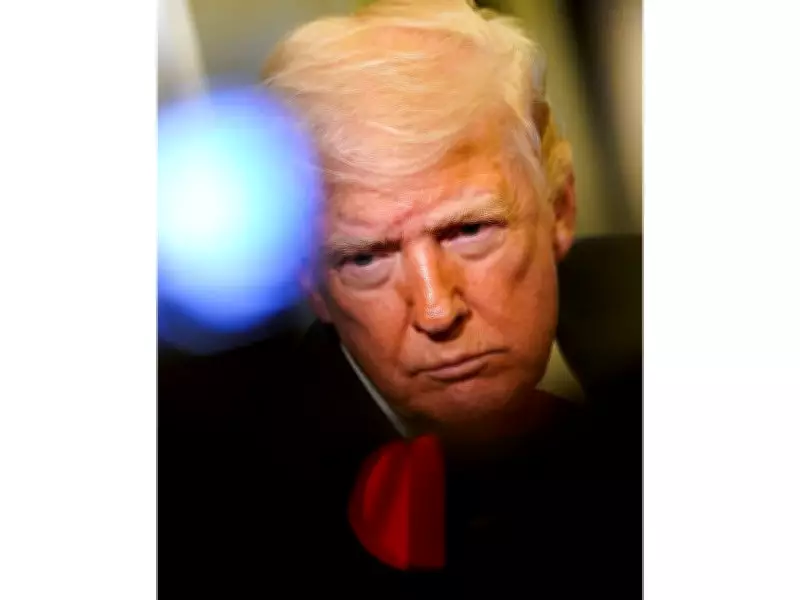
Trump's Cryptic Comments Spark Intense Debate on Iran's Future
Former United States President Donald Trump has ignited a firestorm of speculation and analysis with his recent remarks referring to a "big day in Iran." These comments, made in a public address, have been widely interpreted as hinting at potential regime change in the Islamic Republic, a topic that has long been a contentious issue in US foreign policy circles. The timing and ambiguity of Trump's statement have led to intense scrutiny from political analysts, diplomats, and media outlets worldwide, who are attempting to decipher the underlying message and its possible ramifications for regional stability.
Context and Immediate Reactions
The remarks came amid ongoing tensions between Iran and the United States, which have persisted since Trump's presidency, notably following the US withdrawal from the Iran nuclear deal in 2018. Trump's administration had previously adopted a "maximum pressure" campaign against Tehran, imposing severe economic sanctions and taking a hardline stance on issues such as Iran's nuclear program and regional activities. In this context, his latest comments have been viewed by many as a continuation of his aggressive posture, potentially signaling support for opposition forces within Iran or even covert actions aimed at destabilizing the current government.
Immediate reactions to Trump's statement have been mixed. Some observers argue that it could be a strategic move to rally support among his political base, emphasizing his tough stance on foreign adversaries. Others, however, warn that such rhetoric could exacerbate existing conflicts, leading to increased instability in the Middle East. Iranian officials have yet to issue an official response, but state media has historically dismissed such remarks as propaganda, accusing the US of interfering in Iran's internal affairs.

Analysis of Regime Change Claims
The concept of regime change in Iran is not new; it has been a subject of debate among policymakers and scholars for decades. Proponents argue that replacing the current theocratic government with a more democratic system could lead to improved human rights, reduced regional tensions, and better relations with the West. Critics, on the other hand, caution that forced regime change could result in chaos, civil war, or the rise of even more extremist factions, drawing parallels to conflicts in Iraq and Afghanistan.
Trump's comments have reignited this debate, with experts pointing to several factors that could influence the situation. These include Iran's domestic challenges, such as economic hardships and periodic protests, as well as external pressures from sanctions and diplomatic isolation. Additionally, the role of other global powers, like Russia and China, who have maintained ties with Iran, adds complexity to any potential shift in the country's political landscape.
Key Implications for US-Iran Relations- Increased diplomatic tensions and potential escalation of conflicts in the region.
- Possible impact on ongoing negotiations related to Iran's nuclear program.
- Influence on US domestic politics, particularly in the lead-up to future elections.
- Risks of miscalculation or unintended consequences in a volatile geopolitical environment.
Looking Ahead: What This Means for Global Politics
As the world watches closely, the fallout from Trump's remarks underscores the fragile nature of US-Iran relations. Whether his words translate into concrete actions remains uncertain, but they have undoubtedly added a new layer of uncertainty to an already tense situation. In the coming weeks, analysts will be monitoring developments in Iran, including any signs of internal unrest or external interventions, as well as responses from the current US administration and international bodies.
Ultimately, this episode highlights the enduring challenges of navigating Middle East politics, where rhetoric can quickly become reality. For now, the "big day in Iran" remains a cryptic phrase, but its potential to shape future events cannot be underestimated, making it a critical topic for ongoing discussion and analysis in global affairs.