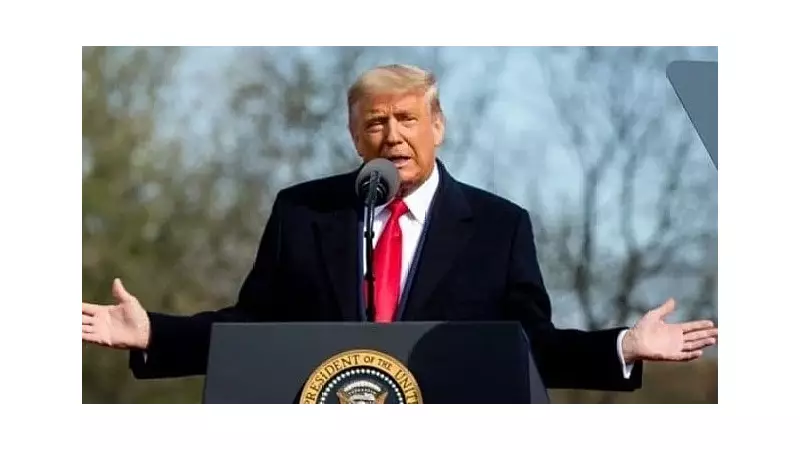
In a statement that highlights a persistent contradiction, former US President Donald Trump has declared that he "always" respects election results. However, in the same breath, he continues to label the American electoral process as "rigged." This position comes despite his clear loss in the 2020 presidential election and the failure of dozens of legal attempts to overturn the outcome.
The Core Contradiction: Respect vs. Allegations
Trump's recent comments create a stark paradox. On one hand, he publicly commits to respecting the democratic verdict of the ballot box. On the other, he has spent years systematically attempting to undermine public faith in the very mechanisms of that democracy. His campaign following the 2020 vote was marked by dozens of unsuccessful challenges in courts across the nation, none of which produced evidence of widespread fraud sufficient to change the result.
The 2020 Election and the Legal Aftermath
The focal point of Trump's claims remains the November 2020 presidential election, which he lost to Democrat Joe Biden. Despite no credible evidence emerging to support his assertions of a stolen election, Trump and his allies filed a wave of lawsuits. These legal actions, as reported by the International New York Times, were uniformly rejected by judges, including many appointed by Trump himself. The date of 09 January 2026, noted in the report, underscores how this narrative continues to be a active part of his political platform years later.

Implications for Democratic Trust
The consistent effort to cast doubt on election integrity has profound consequences. It erodes the foundational trust that citizens place in their electoral systems. For a global audience, including observers in India, this serves as a case study in how unsubstantiated claims of "rigged" processes can polarize a polity and challenge democratic norms. The strategy moves beyond contesting a single loss and seeks to shape the perception of all future elections.
Ultimately, Trump's dual stance—of professed respect for results coupled with relentless attacks on their legitimacy—creates a confusing message. It allows for the rejection of unfavorable outcomes while maintaining a veneer of commitment to democratic principles. This ongoing saga, as tracked by international media, continues to be a defining feature of the current American political landscape.