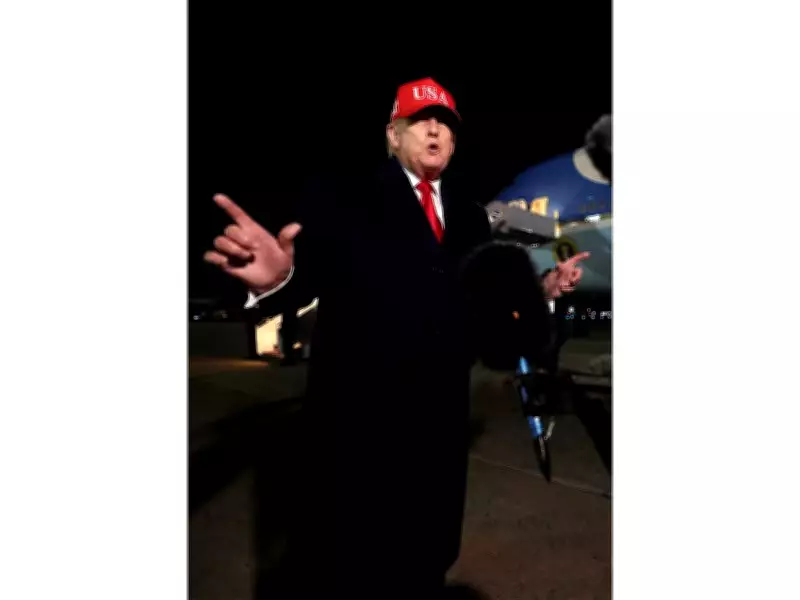
Trump Voices Strong Disappointment with NATO Allies Over Defense Commitments
Former United States President Donald Trump has publicly expressed his frustration and disappointment with NATO member countries, highlighting what he perceives as a significant imbalance in defense contributions. In recent remarks, Trump emphasized that the United States has paid "trillions of dollars" into the alliance, while other nations have not reciprocated with adequate support or presence when needed.
Historical Context of Trump's NATO Criticisms
During his presidency from 2017 to 2021, Trump frequently criticized NATO allies for not meeting the agreed-upon defense spending target of 2% of their gross domestic product (GDP). This latest statement reiterates his long-standing position that the United States bears a disproportionate financial burden within the alliance. Trump argued that many member states have relied heavily on American military and economic aid without fulfilling their own obligations, creating what he views as an unfair dynamic.
Key Points from Trump's Remarks
In his comments, Trump specifically pointed out that NATO allies "weren't there for us" in critical moments, though he did not provide specific instances. He underscored the trillions of dollars the US has invested in NATO since its inception in 1949, suggesting that this investment has not yielded proportional benefits in terms of allied support. This criticism comes amid ongoing debates about NATO's role and funding, particularly in light of global security challenges such as the conflict in Ukraine and rising tensions with other powers.

Implications for US-NATO Relations
Trump's remarks could have significant implications for the future of US-NATO relations, especially if he returns to power in the upcoming elections. His stance has often sparked concerns among European allies about the reliability of American commitments to collective defense. Analysts note that while some NATO members have increased their defense spending in recent years, partly in response to Trump's pressure, disparities persist, and his criticism may reignite discussions about burden-sharing within the alliance.
Broader Political and Strategic Context
This development occurs in a broader political context where Trump is a leading figure in the Republican Party and a potential candidate for the 2024 presidential election. His views on NATO align with his "America First" policy, which prioritizes US interests in international engagements. The statement also reflects ongoing tensions in US foreign policy, where traditional alliances are sometimes questioned in favor of more transactional approaches. As NATO continues to adapt to new security threats, Trump's criticisms highlight the enduring challenges in maintaining cohesive and equitable defense partnerships among diverse member states.