

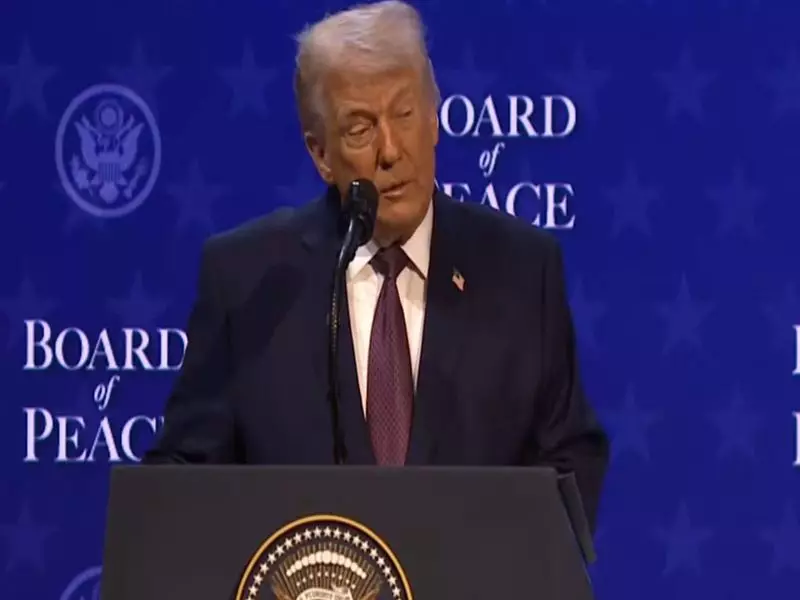
Trump's Immigration Crackdown Under Fire for Violent Enforcement Tactics
The immigration enforcement policies championed by former President Donald Trump have come under intense scrutiny following alarming reports of violent tactics employed during operations. These incidents have sparked widespread concern among human rights advocates and legal experts, who question the methods used to implement Trump's hardline stance on immigration.
Escalating Violence in Enforcement Operations
Recent investigations have revealed that Trump's crackdown on immigration has been marred by numerous instances of excessive force and aggressive tactics. Law enforcement agencies tasked with carrying out these policies have been accused of using violence that appears disproportionate to the situations at hand. This has led to injuries among both immigrants and officers, creating a volatile environment that undermines the rule of law.
The tactics reported include physical assaults, the use of tear gas and other crowd-control measures in residential areas, and confrontations that have escalated unnecessarily. Such actions have not only harmed individuals but have also eroded public trust in immigration enforcement agencies. Critics argue that this approach prioritizes deterrence over due process, potentially violating constitutional rights.

Human Rights and Legal Implications
The violent tactics associated with Trump's immigration enforcement raise serious human rights concerns. International observers and domestic watchdogs have documented cases where the use of force seemed unjustified, pointing to a pattern of abuse that could constitute violations of human dignity. These incidents highlight the tension between strict immigration control and the protection of fundamental rights.
From a legal perspective, the enforcement methods have faced challenges in courts, with some judges ruling that certain tactics exceed statutory authority. The legal battles surrounding these operations underscore the complexity of balancing security interests with civil liberties. As lawsuits mount, the long-term viability of such aggressive enforcement remains in question, potentially setting precedents that could reshape US immigration law.
Impact on Communities and Policy Debates
The fallout from these violent tactics extends beyond individual incidents, affecting entire communities. Immigrant populations report increased fear and anxiety, leading to reduced cooperation with authorities and hindering legitimate law enforcement efforts. This has created a climate of mistrust that complicates broader public safety goals.
In the political arena, Trump's crackdown has fueled heated debates over immigration reform. Supporters defend the tough measures as necessary for border security and national sovereignty, while opponents condemn the violence as inhumane and counterproductive. The controversy has become a focal point in discussions about future immigration policies, influencing electoral politics and legislative agendas.
As the US continues to grapple with immigration challenges, the legacy of Trump's enforcement tactics serves as a cautionary tale. It emphasizes the need for approaches that uphold both security and human rights, ensuring that enforcement operations are conducted with professionalism and respect for the law. Moving forward, policymakers must consider these lessons to develop more effective and ethical immigration strategies.






