

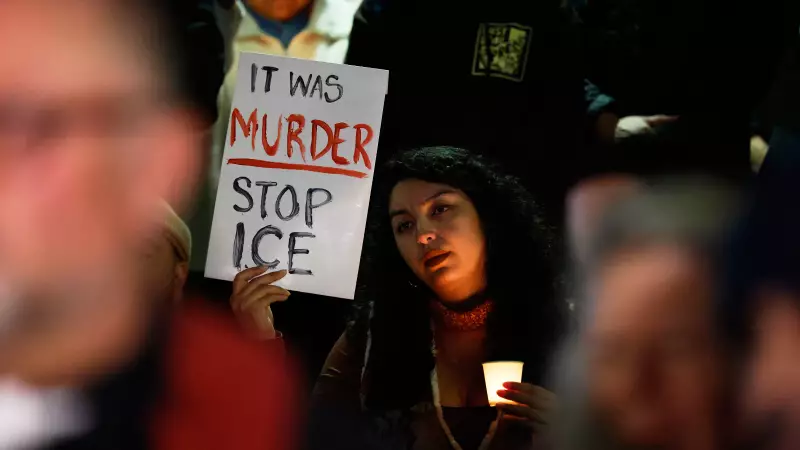
In a recent political rally held in Minneapolis, former United States President Donald Trump delivered a statement that has ignited widespread controversy and debate across the nation. Addressing a crowd of supporters, Trump asserted that if the city of Minneapolis were to surrender its criminals to authorities, all of its ongoing issues would simply disappear. This bold declaration has drawn sharp criticism from opponents while resonating with some of his base, highlighting deep divisions in American political discourse.
The Context of Trump's Remarks
Trump's comments came during a campaign-style event in Minneapolis, a city that has faced significant challenges related to crime and public safety in recent years. By framing the solution as a straightforward exchange—"give us your criminals and it all goes away"—Trump tapped into broader national conversations about law enforcement, criminal justice reform, and urban governance. His words reflect a hardline stance on crime, emphasizing enforcement over rehabilitation or systemic changes.
Reactions and Implications
The response to Trump's statement has been polarized. Supporters have praised his direct approach, arguing that it addresses public safety concerns head-on. In contrast, critics have condemned the remarks as overly simplistic and potentially harmful, suggesting they ignore root causes of crime such as poverty, inequality, and lack of opportunities. Legal experts and community leaders in Minneapolis have expressed concerns that such rhetoric could undermine trust in local institutions and exacerbate tensions.

This incident underscores the ongoing influence of Trump in US politics, even after his presidency. His ability to dominate news cycles with provocative statements continues to shape political agendas and public opinion. As the debate unfolds, it raises important questions about the balance between security and justice in American cities.






