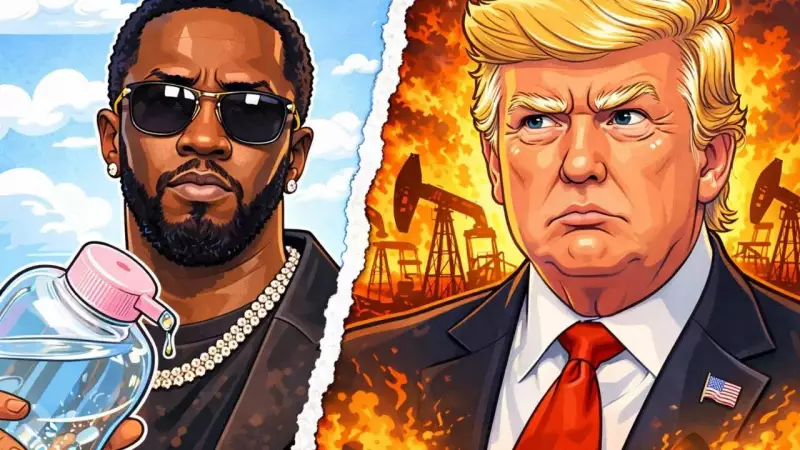
In a move that underscores the personal and political nature of justice in his administration, President Donald Trump publicly walked back on considering clemency for music mogul Sean "Diddy" Combs. The reversal, attributed to Combs' past criticism of the President, offers a stark look into how presidential pardons are being wielded in the current era.
The Diddy Clemency Saga: From Consideration to Rejection
The episode began in 2025 after Combs was convicted on prostitution-related charges and sentenced to roughly four years, or about 50 months, in prison. Following his conviction, his legal team explored all avenues, including an appeal and a potential presidential pardon.
Reports throughout 2025 indicated that the White House was open to the idea, with outlets like Deadline going so far as to state President Trump was "seriously considering" granting clemency. This signaled a potential lifeline for the convicted celebrity.

However, the narrative shifted abruptly in the first month of 2026. President Trump confirmed to reporters that while he had received a pardon letter from Combs, he was "not inclined to grant it." The President explicitly linked his refusal to the fact that Combs had publicly criticized him, stating such actions made clemency "more difficult."
A Pattern of Personal and Political Pardons
This incident is not an isolated whim but fits a well-established pattern in Trump's approach to presidential clemency. His tenure has repeatedly shown that pardons and commutations are often tools for rewarding allies or those he perceives as victims of political targeting, while being withheld from critics.
Other high-profile examples bolster this trend. In December 2025, Trump's pardon of a former Honduran president drew bipartisan criticism, highlighting how geopolitical loyalty influences these decisions. Throughout his first term and beyond, clemency has frequently been extended to celebrities and political allies, framing mercy as a transactional element of governance.
The Combs case lays this mechanism bare. The initial openness followed by a public refusal rooted in personal grievance demonstrates that the arc of mercy in this administration bends not on legal merit, but on personal history and public loyalty.
Legal Facts and the Role of Celebrity Capital
Sean Combs' legal troubles stemmed from a federal case involving a grand jury investigation and highly publicized raids. He faced a range of charges, including racketeering and sex trafficking. While a jury acquitted him of the most severe counts, he was found guilty on charges related to transporting individuals for prostitution.
Like other wealthy defendants such as Harvey Weinstein or Bill Cosby, Combs' case highlighted the influence of social and political capital. His decades-long status as a music and film celebrity, with connections to powerful corridors, meant his team could realistically hope those relationships might translate into a favorable outcome.
Yet, the Diddy episode also reveals the fragility of such capital. Past photographs and associations with powerful figures hold value only as long as one remains in the decision-maker's favor. In this instance, public criticism eroded that "friendship bank," turning a potential asset into a liability.
Implications for Justice and Democratic Norms
The spectacle of a sitting president openly factoring personal slights into a constitutional power like clemency raises profound questions. The pardon power is designed as an instrument of mercy or corrective justice, separate from a leader's personal pique. Trump's handling of the Combs request makes the personalization explicit, reducing a solemn executive function to a ledger of favors and insults.
For the rule of law, the concern is that breaks for the powerful seem to depend less on legal criteria and more on whether a defendant has been flattering or useful to the president. This corrodes the ideal of equal justice under law and turns clemency into a performative act.

For Combs, the immediate path is now limited to the courts as his conviction remains under appeal. For the public and watchdog groups, this episode reinforces the urgent need for transparent standards in the pardon process—clear criteria and public reasoning that moves beyond personal grievance.
Ultimately, Diddy's failed clemency bid is a window into a presidency where mercy operates like a social RSVP, accepted or declined based on personal allegiance. It prompts a larger question not about who asks for forgiveness, but about how much the answer depends on whether the asker has shown loyalty to the one in power.