UK Prime Minister Keir Starmer Declines to Support Trump's Proposed Iran Blockade
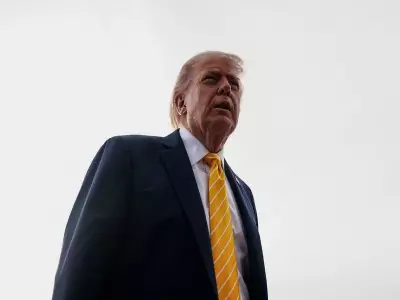
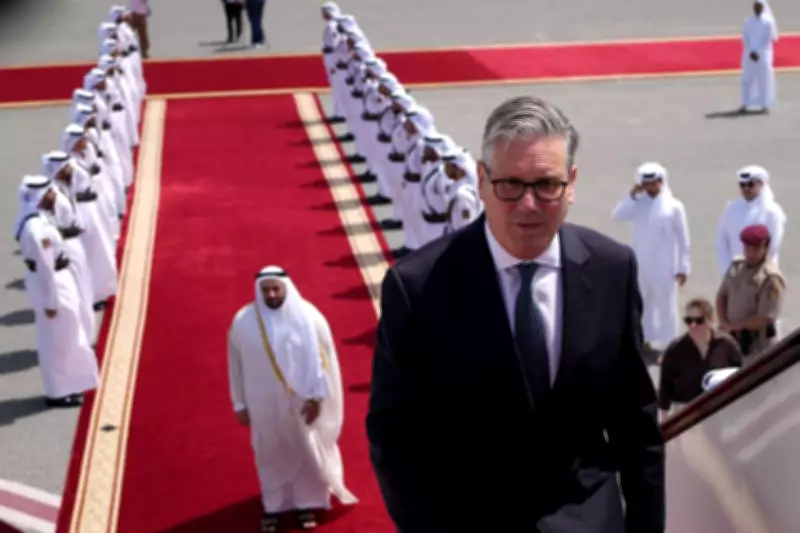
In a significant diplomatic development, UK Prime Minister Keir Starmer has firmly refused to back former US President Donald Trump's controversial move regarding Iran, specifically rejecting support for a potential blockade of the Strait of Hormuz. This stance marks a clear divergence from Trump's aggressive posture and underscores the UK's commitment to resolving tensions through diplomatic channels rather than military escalation.
Starmer's Firm Rejection of Hormuz Blockade Proposal
Prime Minister Starmer, addressing the issue publicly, emphasized that the United Kingdom will not endorse any unilateral actions that could destabilize the already volatile region. The Strait of Hormuz, a critical chokepoint for global oil shipments, has been a focal point of geopolitical tensions, with Trump reportedly advocating for a blockade as a pressure tactic against Iran. Starmer's refusal highlights a strategic shift, prioritizing international cooperation and dialogue over confrontational measures that risk sparking broader conflict.
Background and Implications of the UK's Position
The UK's decision comes amid ongoing efforts to navigate complex relations with Iran, which has been a source of contention in global politics. Trump, known for his hardline approach during his presidency, has continued to influence foreign policy debates, but Starmer's government is charting a different course. By distancing itself from Trump's proposal, the UK aims to reinforce its role as a mediator and advocate for peaceful resolutions, potentially aligning more closely with European allies who favor diplomatic engagement over sanctions or blockades.

- Explicit refusal to support any blockade of the Strait of Hormuz.
- Emphasis on diplomatic solutions to address Iran-related issues.
- Commitment to maintaining stability in the Middle East region.
- Recognition of the strategic importance of the strait for global energy security.
Global Reactions and Future Outlook
This move by the UK is likely to resonate across international forums, with allies and adversaries alike assessing its impact on Middle East dynamics. While Trump's supporters may view it as a setback for assertive action, others see it as a prudent step to avoid escalation. The UK's stance could influence upcoming discussions at the United Nations and other multilateral platforms, where Iran's nuclear program and regional activities remain hot topics. As tensions persist, Starmer's government is expected to continue advocating for a balanced approach that safeguards both security interests and diplomatic progress.