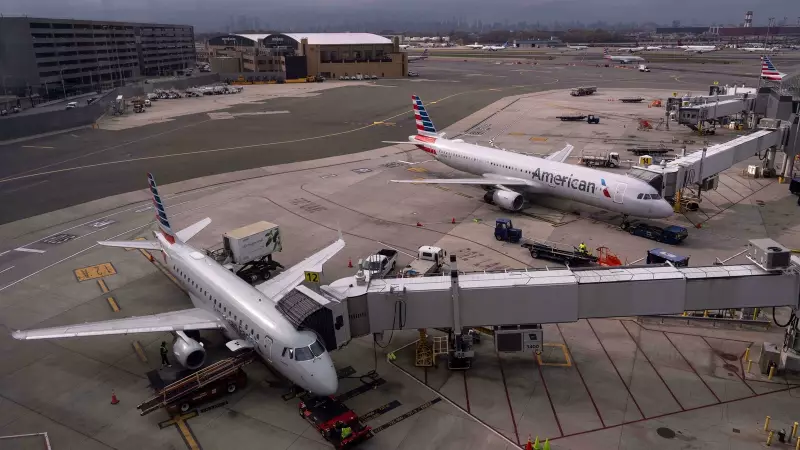
American air travel has been thrown into chaos as major airlines were forced to cancel thousands of flights due to critical staffing shortages among air traffic controllers. The situation has created a domino effect of travel disruptions affecting passengers across the United States and international travelers.
Massive Flight Cancellations Ground Travel Plans
The scale of the disruption became apparent when airlines reported cancelling over 2200 flights in a single day. This massive wave of cancellations stemmed from insufficient air traffic control coverage at critical facilities. The Federal Aviation Administration (FAA) confirmed that several air traffic control centers were operating with skeleton crews, unable to maintain normal traffic flow.
Major carriers including Southwest Airlines, American Airlines, and Delta Air Lines were among the hardest hit, with cancellation rates exceeding 30% on some routes. The problem was particularly severe along the East Coast, where key air traffic control facilities in New York, Washington, and Florida experienced the most significant staffing shortages.

Government Shutdown Creates Safety Crisis
The root cause of this aviation emergency traces back to the ongoing partial government shutdown that has left thousands of federal employees, including air traffic controllers, working without pay. While essential personnel continue to report for duty to maintain safety, the prolonged financial strain has created an unsustainable situation.
Aviation experts warned that the system was reaching a breaking point. Air traffic controllers, who are responsible for guiding over 45,000 flights daily across US airspace, have been working under extreme pressure without receiving their regular salaries. Many controllers reported calling in sick due to financial stress or the need to seek temporary employment.
The National Air Traffic Controllers Association (NATCA) expressed grave concerns about the deteriorating situation. Union representatives emphasized that while controllers remain committed to their safety mission, the current conditions are untenable and potentially dangerous.
Travel Industry Faces Mounting Losses
The ripple effects of the mass cancellations extended throughout the travel industry. Airports experienced crowded terminals as frustrated passengers scrambled to find alternative arrangements. Hotel chains reported numerous cancellations as travel plans unraveled, while rental car companies saw a surge in last-minute bookings from stranded travelers.
Airlines face significant financial losses from the operational meltdown, including costs associated with rebooking passengers, providing hotel accommodations, and lost revenue from empty seats. The total economic impact is estimated to run into hundreds of millions of dollars, with losses mounting daily as the shutdown continues.
International travelers, particularly those from India and other countries with significant US-bound traffic, found themselves caught in the chaos. Many passengers reported being stranded at connecting airports with no clear information about when they might reach their destinations.
The situation highlights the critical role that government services play in maintaining the infrastructure that supports air travel. As the shutdown continues without resolution in sight, aviation authorities warn that further disruptions are inevitable unless normal staffing levels can be restored.