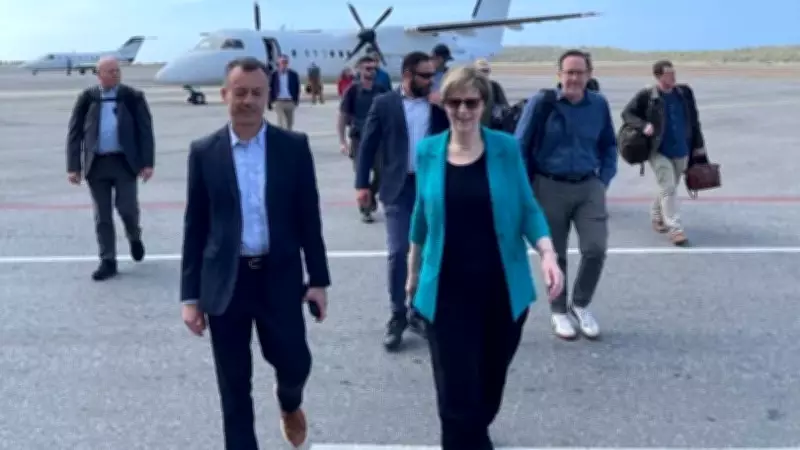
In a significant diplomatic development, the United States has dispatched its ambassador to Venezuela to officially reopen the American diplomatic mission in Caracas. This move comes after a prolonged hiatus of seven years, during which formal diplomatic ties between the two nations were severely strained or largely suspended. The ambassador's arrival signals a potential thaw in relations and a renewed commitment to engagement between Washington and Caracas.
Reestablishing Formal Diplomatic Channels
The reopening of the US embassy in Venezuela represents a crucial step toward normalizing bilateral relations, which have been fraught with tensions over political, economic, and human rights issues. For nearly a decade, the absence of a full-fledged diplomatic presence has hindered direct communication and cooperation on matters of mutual interest. The ambassador's mission is expected to facilitate dialogue, address ongoing concerns, and explore avenues for collaboration in areas such as trade, security, and regional stability.
Historical Context and Recent Developments
The closure of the US embassy in Venezuela dates back to 2019, following a period of escalating disputes and sanctions imposed by the United States. Over the years, both countries have engaged in a complex geopolitical dance, with Venezuela facing international isolation due to allegations of authoritarian governance and economic mismanagement. Recent shifts in global politics and domestic pressures may have prompted this diplomatic overture, aiming to recalibrate the relationship in a more constructive direction.

Experts suggest that the ambassador's arrival could pave the way for incremental progress, such as easing sanctions or fostering humanitarian aid initiatives. However, challenges remain, including deep-seated mistrust and divergent political ideologies. The success of this renewed engagement will likely depend on sustained efforts from both sides to build confidence and address core issues transparently.
Implications for Regional and Global Diplomacy
The reopening of the US diplomatic mission in Venezuela is not just a bilateral matter; it has broader implications for regional dynamics in Latin America and global diplomacy. As a key player in the Western Hemisphere, the United States' approach to Venezuela influences alliances and conflicts across the continent. This move might encourage other nations to reconsider their stances and potentially lead to a more unified international response to Venezuelan affairs.
Moreover, in an era of shifting global power balances, such diplomatic initiatives highlight the importance of dialogue over confrontation. By reestablishing a physical presence in Caracas, the US aims to assert its influence while navigating complex geopolitical waters. Observers will be closely monitoring how this development affects ongoing negotiations, regional stability, and the lives of ordinary Venezuelans amidst economic hardships.
In summary, the return of the US ambassador to Venezuela marks a pivotal moment in diplomatic relations, offering a glimmer of hope for improved ties after years of estrangement. While obstacles persist, this step underscores a willingness to engage and could set the stage for future cooperation and conflict resolution.