US Authorities Detain Family Members of Iranian Commander Qassem Soleimani
In a significant development, United States law enforcement agents have arrested relatives of the late Iranian military commander Qassem Soleimani. The action involved the revocation of their permanent resident green cards, marking a notable escalation in US measures against individuals linked to Iran's government.
Allegations of Supporting Iranian Propaganda
According to the US State Department, one of the detained individuals, identified as Afshar, is accused of actively supporting the Iranian government and its propaganda efforts. This allegation forms the basis for the legal action taken by US authorities, highlighting concerns over foreign influence and national security.
The State Department further disclosed that Afshar's husband has been barred from entering the United States, adding another layer to the restrictions imposed on the family. This move underscores the broader US strategy to limit the movement and activities of those perceived as threats to American interests.

Timing Amid Ongoing US-Israeli Military Actions
The arrests occurred as the United States and Israel continue their joint military campaign against Iran, which has now entered its sixth week. This timing suggests a coordinated effort to apply pressure on Iran through multiple channels, including legal and diplomatic means alongside military operations.
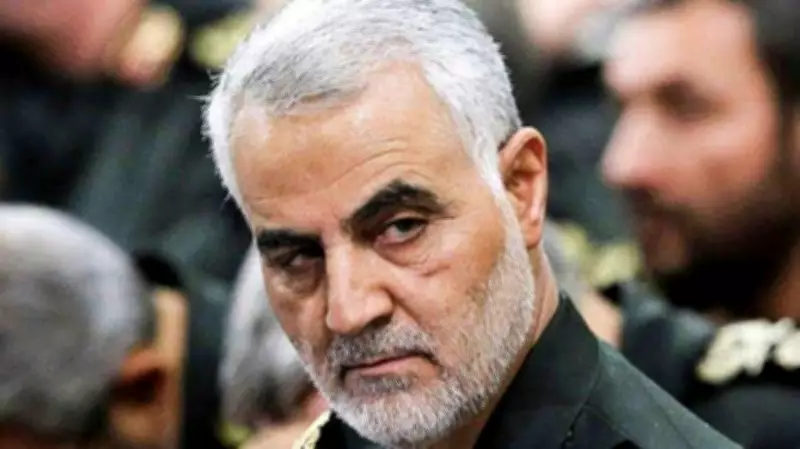
The detention of Soleimani's relatives is seen as a symbolic and strategic gesture, given his prominent role in Iran's military and his assassination by the US in 2020. It reflects the ongoing tensions between the two nations and the US commitment to countering Iranian influence globally.
Implications for US-Iran Relations
This incident is likely to further strain the already fraught relations between the United States and Iran. By targeting family members of a key Iranian figure, the US is sending a clear message about its willingness to use all available tools to confront what it views as adversarial actions.
The revocation of green cards also raises questions about the legal precedents and human rights considerations involved, as it affects individuals' residency status and personal freedoms. Experts note that such measures could have long-term repercussions for bilateral ties and international perceptions of US immigration policies.
As the situation develops, observers are closely watching for any responses from Iranian authorities and the potential impact on the broader geopolitical landscape in the Middle East.