A contentious new piece of legislation has been introduced in the United States House of Representatives, aiming to drastically restrict access to the federal social safety net. The proposed law, named the 'No Welfare for Non‑Citizens Act', seeks to stop all individuals who are not American citizens from receiving federal welfare benefits and subsidies.
What Does the Proposed Legislation Entail?
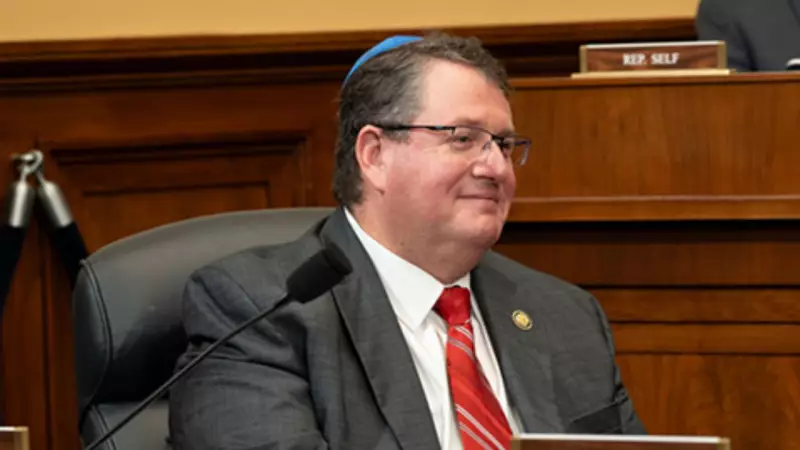
The bill was filed by Republican Representative Randy Fine from Florida, a figure known for his strong MAGA alignment and previous anti-Islamic statements. The core objective of the act is to end eligibility for a wide range of federal welfare programmes for every non‑citizen. This sweeping restriction would apply to both undocumented immigrants and those residing in the country legally but without having obtained full US citizenship.
Proponents of the bill, including its sponsor Rep. Fine, argue that this move is necessary to protect American taxpayers and reduce ballooning federal spending, which they link to the nation's high debt. Fine has positioned the proposal as a direct response to projections indicating the government will spend substantial sums on welfare for non‑citizens over the next decade. He insists these funds should be redirected to support native-born American citizens.

The benefits that would be restricted under this act include crucial support systems such as:
- Healthcare assistance
- Housing subsidies
- Food assistance programmes
- Other federal aid schemes
Closing Loopholes vs. Crossing a Line
Supporters of the bill claim that existing immigration laws already limit welfare access for many non‑citizens. They argue that the 'No Welfare for Non‑Citizens Act' is essential to close perceived "loopholes" that allow some immigrants to receive federal benefits. Currently, US law categorises non‑citizens as “qualified” or “not qualified,” with eligibility for most federal welfare programmes limited to those meeting specific criteria. Many lawfully present immigrants also face a mandatory five‑year waiting period before they can access benefits after obtaining legal status.
However, the proposal has drawn fierce criticism from Democratic and progressive lawmakers. They contend that the act goes far beyond existing federal restrictions and crosses a humanitarian line. Opponents warn that it could strip benefits from lawful immigrants and their families—individuals who pay taxes and contribute legally to the US economy. They emphasise that the current balance in welfare and immigration law was designed to mix social support with fiscal responsibility, and an intensive ban could have severe humanitarian consequences.
In a particularly controversial statement, Representative Fine claimed the legislation is also aimed at stopping Somalis from integrating "too much" into US society using American taxpayer money, a remark that has added to the debate's intensity.
The Long Road Ahead and Political Implications
The bill's journey into law is far from guaranteed. It must first be considered by relevant committees in the House of Representatives. Following that, it would need to secure approval from both the full House and the Senate before it could potentially reach the desk of President Donald Trump for signature.
This legislative effort aligns with a broader policy push by many Republican (GOP) lawmakers to prioritise welfare benefits strictly for American citizens. The debate over the 'No Welfare for Non‑Citizens Act' underscores the deep political divide in the United States regarding immigration, public spending, and the social contract, setting the stage for a significant political battle in Congress.