

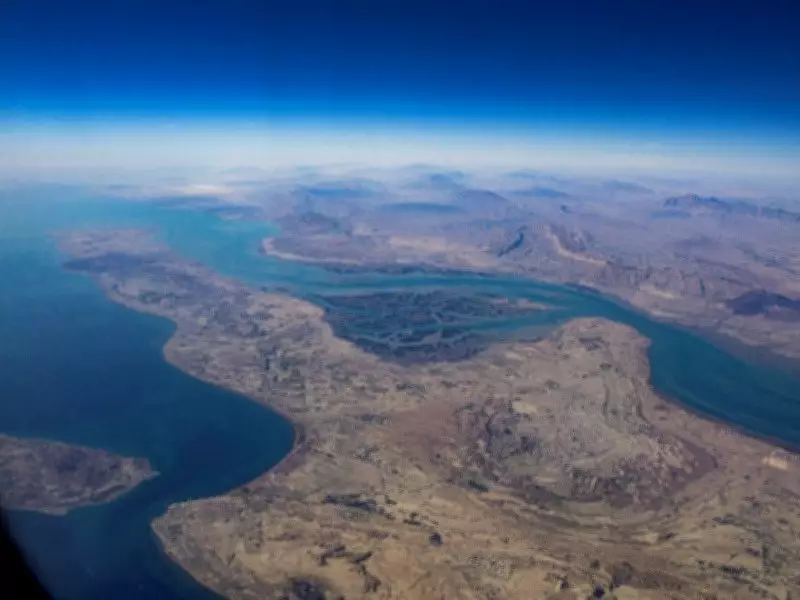
The United States Central Command (CENTCOM) stated on Saturday that Iran does not exercise control over the Strait of Hormuz, even as tensions escalate following Israeli military strikes in Lebanon that prompted Tehran to announce the closure of the strategic waterway.
A CENTCOM spokesperson told Al Jazeera Arabic that Iran does not control the strait, one of the world's most critical maritime chokepoints for global energy supplies. The spokesperson added that US forces are closely monitoring the situation to ensure the continued and uninterrupted flow of maritime traffic through the region.
US Commitment to Maritime Security
CENTCOM emphasized that maintaining safe navigation and protecting commercial shipping remain its primary objectives in the area. The statement comes after Iran's Islamic Revolutionary Guard Corps (IRGC) earlier announced the closure of the strait, citing Israeli strikes on Lebanon as a violation of the ceasefire agreement under the 14-point memorandum of understanding (MoU) between the US and Iran aimed at ending hostilities in West Asia.

According to Iranian broadcaster Islamic Republic of Iran Broadcasting (IRIB), the IRGC Navy warned vessels not to approach the Strait of Hormuz, declaring the waterway closed. The IRGC Navy's Public Relations department linked the move to what it described as the "crimes of the Zionist regime in Lebanon" and alleged violations by the United States of commitments related to the ceasefire.
Iran's Stated Reasons for Closure
"Considering the crimes of the Zionist regime in Lebanon and the violation of America's commitments to establish a ceasefire, the Strait of Hormuz is closed to all vessels," the IRGC statement said. It further cautioned ships against entering the area, warning of potential security risks: "It is emphasised that the Strait of Hormuz is closed and vessels should not approach the Strait of Hormuz; otherwise, their security will be at risk."
The closure announcement follows Israeli strikes on Lebanon, which Iran claims breached the ceasefire terms. The Strait of Hormuz is a vital passage for about 20% of the world's oil supply, making any disruption a significant concern for global energy markets.
Implications for Global Energy Supplies
Analysts warn that any prolonged closure could spike oil prices and disrupt supply chains. The US has previously stated its commitment to keeping the strait open under international law. CENTCOM's reaffirmation of its monitoring role underscores the high stakes involved.






