

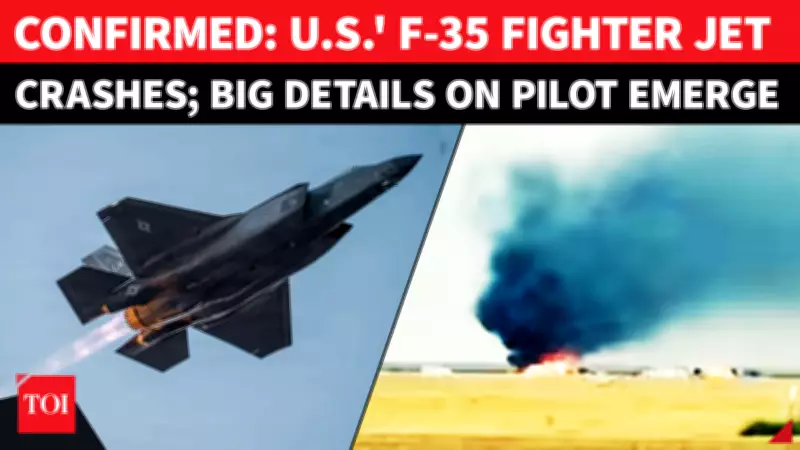
US F-35 Fighter Jet Crashes in Nevada Amid Heightened Iran War Tensions
A United States Air Force F-35 Lightning II fighter jet has crashed in a restricted airspace area near Las Vegas, Nevada, with the pilot successfully ejecting from the aircraft and landing safely. This incident occurs against the backdrop of escalating global tensions due to the ongoing Iran war crisis, raising immediate concerns about military readiness and operational security.
Emergency Response and Investigation Underway
Emergency response teams were dispatched rapidly to the scene at the Nevada Test and Training Range, a highly secured military facility used for advanced combat exercises and testing. Authorities have confirmed that the pilot is unharmed and receiving standard medical evaluations following the ejection procedure.
An official investigation has been launched to determine the precise cause of the crash, with initial reports focusing on potential mechanical failures, pilot error, or external factors. The timing of this event, amidst intense international conflict involving Iran, has prompted serious questions from analysts and officials regarding the strain on U.S. military assets and personnel.

Global Implications and Military Context
The crash of this advanced fifth-generation stealth fighter adds a layer of complexity to the already volatile Iran war situation. The F-35 is a cornerstone of U.S. air superiority, and any incident involving such a critical asset is scrutinized for potential impacts on strategic operations and diplomatic relations.
Military experts are closely monitoring developments, noting that this crash follows a pattern of heightened activity and reported incidents in the region. The broader conflict has seen involvement from various proxies and allies, including recent actions by groups like the Houthis and Hezbollah, which have targeted strategic locations in Israel and the Red Sea.
Key points from related reports include:
- Recent confrontations involving former President Trump and international responses to the Iran war.
- Houthi strikes in southern Israel and escalating flashpoints in the Red Sea area.
- Iran's demonstration of military capabilities, including commando drills and missile displays.
- Warnings and ultimatums issued by global powers such as Russia and France regarding the conflict.
Analysis of Operational Strain and Future Outlook
This incident underscores the immense pressure on U.S. military forces engaged in multiple theaters. The Nevada crash, while isolated geographically, reflects broader challenges in maintaining peak operational performance during prolonged conflicts. Investigations will likely examine maintenance records, pilot training protocols, and potential external threats.
As authorities work to secure the crash site and recover debris, the global community watches closely. The outcome of this investigation could influence military strategies and diplomatic efforts in the Iran war, highlighting the interconnected nature of modern warfare and international stability.






