US Military Positions Forces for Potential Iran Blockade as Engagement Rules Remain Pending
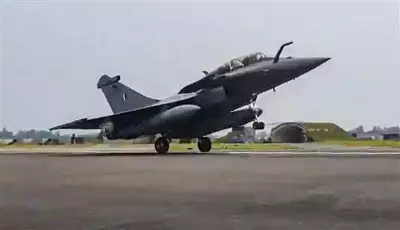
A senior United States official has confirmed that the US military has assembled sufficient forces and is prepared to implement a potential blockade against Iran. However, the critical rules of engagement governing such an operation are still pending final approval from top-level authorities.
Military Readiness Amid Escalating Tensions
The announcement comes amid heightened geopolitical tensions in the Middle East, where Iran's activities and regional influence have been a persistent concern for US foreign policy. The official, speaking on condition of anonymity, emphasized that the necessary naval, air, and support assets are in place or on standby to enforce a blockade if ordered. This preparation underscores the seriousness with which the US is considering maritime restrictions to curb Iran's capabilities, particularly in relation to its nuclear program and support for proxy groups.
Rules of Engagement Under Scrutiny
The pending rules of engagement are a crucial element, as they will define the specific circumstances under which US forces can use lethal or non-lethal measures during the blockade. These rules are being meticulously reviewed to ensure they align with international law, operational safety, and strategic objectives. Delays in finalizing them highlight the complex diplomatic and military calculations involved, balancing deterrence with the risk of escalation into a broader conflict.

Strategic Implications and Regional Dynamics
The potential blockade is seen as a significant escalation in US-Iran relations, which have been strained for decades. Key implications include:
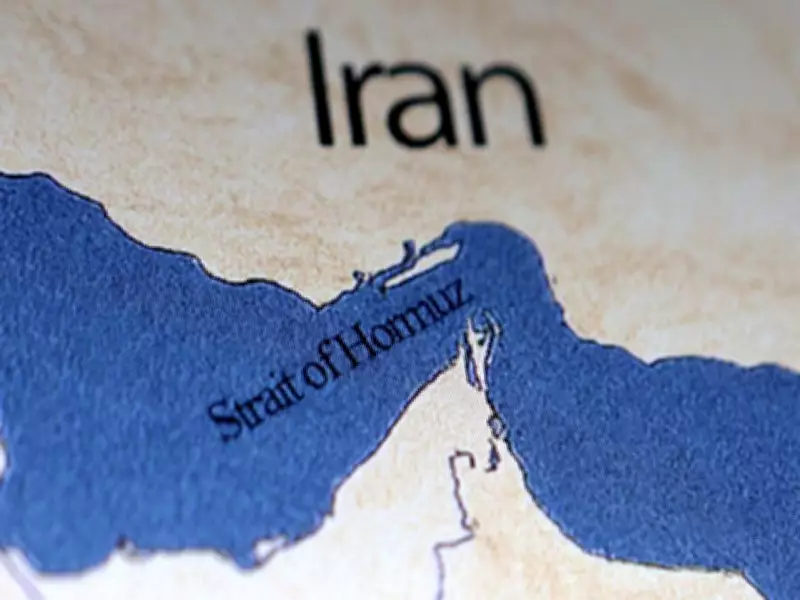
- Impact on global oil markets: A blockade could disrupt shipping lanes in the Strait of Hormuz, a vital chokepoint for oil exports, potentially leading to price volatility.
- Regional stability: Neighboring countries and allies in the Gulf are closely monitoring the situation, as any military action could provoke retaliatory measures from Iran or its proxies.
- Diplomatic efforts: The move may be intended to pressure Iran in ongoing negotiations, but it also risks undermining diplomatic channels aimed at de-escalation.
US officials have not specified a timeline for when the rules of engagement might be approved, but the readiness of forces suggests that operational plans are advanced. The situation remains fluid, with ongoing assessments of intelligence and regional developments influencing decision-making.