

US Conservative Influencer Sparks Outrage with Racist Remarks on Viral Japanese Street Interview
Andrew Branca, a right-wing commentator aligned with the MAGA movement, has ignited a firestorm of controversy after posting derogatory comments about Indians in response to a viral Japanese street interview that mentioned food smells. The incident has drawn widespread condemnation from social media users, particularly in India, highlighting ongoing issues with cultural stereotyping and hate speech online.
Controversial Comments on X Platform
Branca took to X (formerly Twitter) to share his inflammatory perspective, writing: "Every culture I've ever encountered that has had any meaningful exposure to Indians utterly despises them." This sweeping generalization came as a reaction to a short Japanese vox-pop style video that has been circulating extensively across social media platforms, especially X.
The controversial post included the original tweet with Branca's comment alongside the video clip, creating a perfect storm for viral outrage. The timing and nature of his remarks amplified what was already a sensitive topic circulating in online spaces.

Origins in Japanese Street Interview
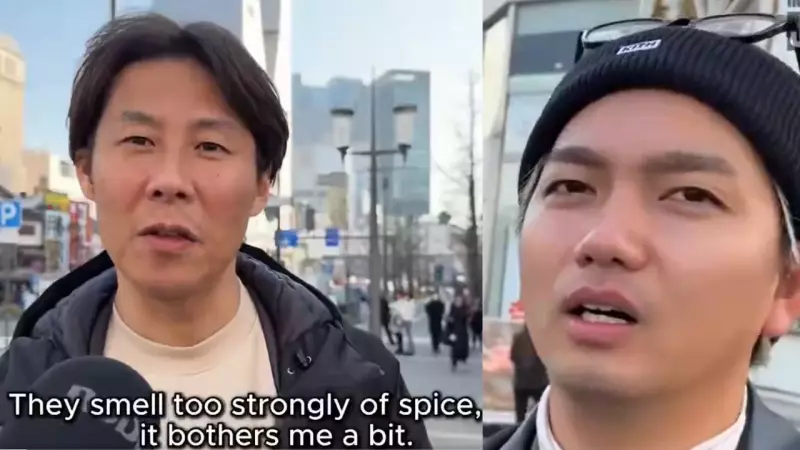
The viral clip that sparked this controversy features an off-camera interviewer casually asking Japanese passers-by about their perceptions of foreigners. In Japanese, the interviewer appears to inquire whether there are any types of foreigners they find particularly noticeable or bothersome.
One respondent specifically mentions "Indians" as their answer. When prompted for clarification about why, the individual explains that "the spice smell is really strong." Another participant adds to this observation by mentioning "curry smell and stuff..." and notes that foreigners tend to wear "stronger fragrances," with the comment trailing off as the video clip concludes.
Cultural Context and Translation Issues
Native Japanese speakers who have analyzed the original clip emphasize that the comments were specifically focused on food and spice aromas rather than personal hygiene or body odor. The remarks were not phrased as direct racist attacks on Indian people as individuals, but rather as observations about culinary scents associated with certain cuisines.
However, the situation became significantly more inflammatory when the video was reposted with English captions that presented the content in much harsher terms. Many of these captions implied that Japanese people were saying "Indians smell bad," transforming what was originally about food smells into a more personal and offensive statement. These clickbait-style translations helped drive the video viral and elicited strong emotional reactions, particularly from Indian social media users.
Escalating Controversy and Historical Context
Branca's response dramatically escalated the controversy beyond the original video discussion. Numerous users criticized his post as openly racist, accusing him of using a loosely translated street interview to justify sweeping derogatory claims about Indians across multiple cultures.
This incident is not Branca's first encounter with controversy regarding racial stereotypes. The commentator has previously made questionable statements about people from what he terms 'third world countries,' suggesting they have lower average IQ levels than usual. In these past remarks, he specifically cited examples from Africa and India, indicating a pattern of problematic commentary about non-Western cultures.
Broader Implications and Social Media Response
The backlash against Branca's comments has been substantial and multifaceted:

- Social media users have pointed out that such generalizations rely on harmful stereotypes that can fuel hateful rhetoric
- Many have emphasized the difference between discussing culinary aromas and making sweeping judgments about entire cultural groups
- The incident has sparked broader conversations about cultural sensitivity in online discourse
- Indian users have been particularly vocal in condemning what they perceive as racist characterization
This controversy highlights how quickly cultural observations can be distorted through translation and amplification on social media platforms. It also demonstrates how public figures can exacerbate sensitive situations through inflammatory commentary, turning what might have been a limited discussion into an international incident.
The episode serves as a reminder of the power dynamics in global online conversations and the responsibility that comes with having a public platform, particularly when discussing cultural differences and perceptions.





