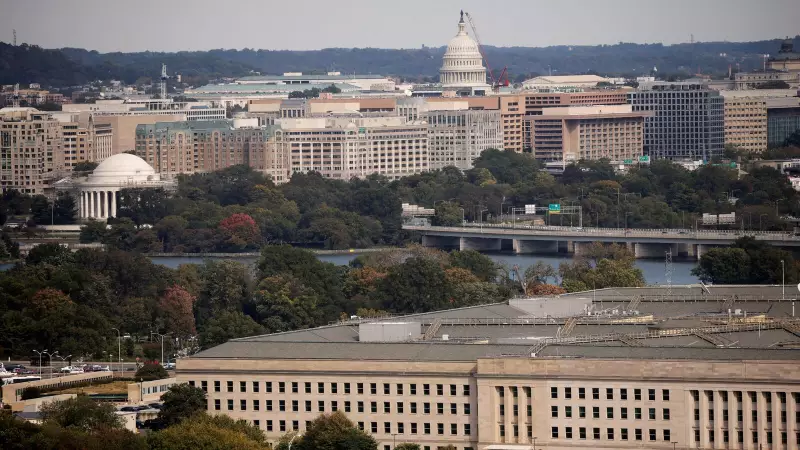
US Defense Department Probes Mysterious Device in Havana Syndrome Investigation
The United States Department of Defense has conducted a lengthy investigation into a mysterious device connected to anomalous health incidents, commonly known as Havana Syndrome. This probe has lasted for more than a year, according to a new report.
Undercover Purchase and Suspected Link
CNN reported that investigators purchased the device in an undercover operation. Many experts believe this device has direct links to the Havana Syndrome cases. Homeland Security Investigations acquired the equipment during the final days of the previous US administration, spending an eight-figure sum on the purchase.
How the Device Functions
Sources familiar with the investigation revealed the device emits pulsed radio waves. These emissions are suspected of causing the health incidents reported by American spies, diplomats, and military personnel. The symptoms include:

- Head spinning and migraines
- Nausea and memory lapses
- Extreme headaches
Origins of Havana Syndrome
The term Havana Syndrome first emerged in 2016 when US diplomats stationed in Cuba's capital reported these unusual symptoms. Dozens of similar cases have surfaced globally since then, though the International Classification of Diseases does not recognize Havana Syndrome as an official medical condition.
Russian Connection Theories
Earlier reports from The Insider media group suggested Russian involvement. They claimed energy weapons used by members of a Russian military intelligence sabotage unit might be responsible. Specifically, Unit 29155 of Russia's GRU intelligence agency was reportedly present at locations where US personnel experienced health incidents.
Russia has consistently denied these allegations. Reports indicated possible attacks occurred even earlier in Frankfurt, Germany, where a US consulate employee was allegedly knocked unconscious by something resembling a strong energy beam.
Conflicting Intelligence Assessments
In 2023, a two-year US intelligence investigation reached different conclusions. The assessment found no credible evidence that any foreign adversary possesses weapons or devices capable of causing these symptoms. Investigators examined multiple possibilities:
- Possible Russian involvement through interviews and reviews
- Development of special sensors and 3-D models of incident locations
- Identification of individuals and buildings near affected sites
- Tracking of license plates and environmental factors
The intelligence community concluded that symptoms probably resulted from factors unrelated to foreign adversaries. These factors include preexisting medical conditions, conventional illnesses, and environmental elements. Even extraterrestrial explanations were considered and rejected during the investigation.
The Pentagon confirmed that a US defense official showed Havana Syndrome symptoms during the 2023 NATO summit in Vilnius, highlighting the ongoing nature of these health incidents.