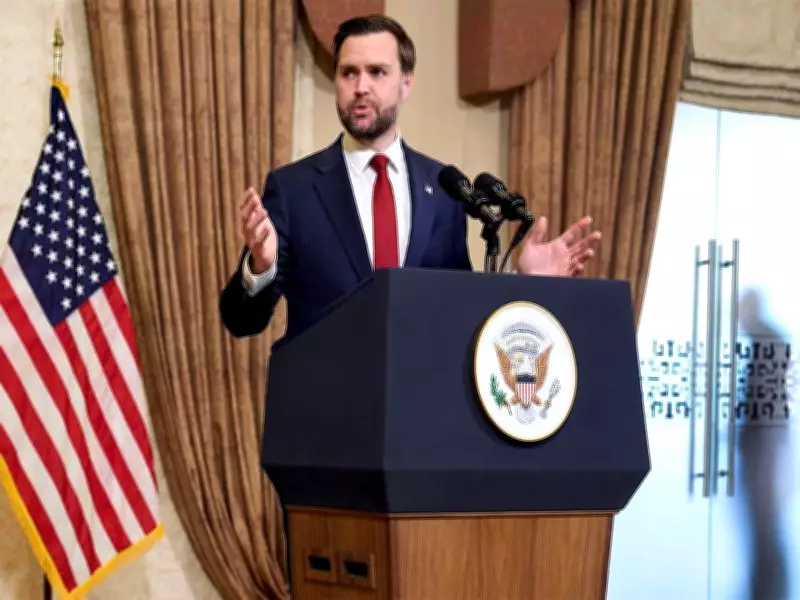
US-Iran Conflict Forces Postponement of JD Vance's Pakistan Diplomatic Mission
In a significant development reflecting heightened geopolitical tensions, the escalating conflict between the United States and Iran has led to the postponement of Senator JD Vance's scheduled trip to Pakistan. The visit, intended for a second round of crucial diplomatic talks, has been put on hold indefinitely due to the volatile security situation in the region.
Background of the Planned Diplomatic Engagement
Senator JD Vance, a prominent figure in US politics known for his foreign policy stances, was slated to travel to Pakistan to engage in follow-up discussions aimed at strengthening bilateral relations. This trip was part of ongoing efforts to address key issues such as counterterrorism cooperation, economic partnerships, and regional stability. The first round of talks had laid the groundwork for potential agreements, making this second meeting highly anticipated by both nations.
Impact of US-Iran Tensions on Regional Diplomacy
The decision to delay the trip underscores the far-reaching consequences of the US-Iran conflict, which has intensified in recent weeks. Military confrontations and diplomatic standoffs between Washington and Tehran have created a ripple effect, destabilizing neighboring areas and complicating international engagements. Pakistan, situated in a strategically sensitive location, finds itself at the crossroads of these tensions, necessitating a cautious approach to foreign visits.

- Security Concerns: The heightened risk of regional spillover from US-Iran hostilities has raised alarms about the safety of high-profile diplomatic missions.
- Logistical Challenges: Airspace restrictions and increased military activity in the Middle East have disrupted travel plans for officials.
- Diplomatic Priorities: The US administration is currently focused on managing the immediate crisis with Iran, diverting attention from other foreign policy initiatives.
Reactions and Implications for US-Pakistan Relations
The postponement has elicited mixed reactions from stakeholders. While some analysts view it as a prudent move to avoid further escalation, others express concern over the delay in advancing US-Pakistan dialogue. This development could potentially slow progress on collaborative projects and strain diplomatic momentum built during the initial talks.
Looking ahead, the rescheduling of Senator Vance's trip will depend heavily on de-escalation between the US and Iran. Both nations are urged to seek peaceful resolutions to prevent further disruptions to international diplomacy. In the meantime, US and Pakistani officials are expected to maintain communication through alternative channels, such as virtual meetings, to keep the dialogue alive.
This incident highlights how global conflicts can directly impact bilateral relations and underscores the interconnected nature of modern geopolitics. As tensions persist, the international community watches closely, hoping for a swift resolution that allows for the resumption of critical diplomatic efforts like the US-Pakistan talks.