

US and Israel Extend Temporary Immunity to Key Iranian Figures
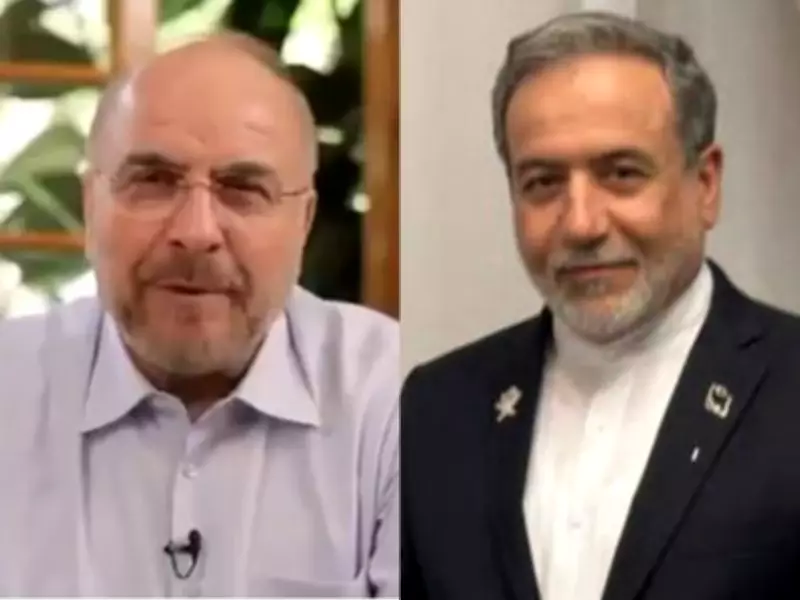
Israeli media has revealed that the United States and Israel have granted temporary immunity to two prominent Iranian officials, Foreign Minister Abbas Araghchi and Parliament Speaker Mohammad Baqer Qalibaf. This development comes as negotiations with Tehran continue, despite ongoing military strikes between the involved nations.
Immunity Granted Amid High-Stakes Talks
According to reports from Israel's Channel 14, the immunity is effective for at least the entire five-day duration of the current negotiations. This move follows a statement by Israeli Defence Minister Israel Katz, who previously declared that any leader of the Islamic regime was a legitimate target in the ongoing conflict. The immunity appears to be a strategic measure to facilitate diplomatic discussions without the threat of immediate military action against these key figures.
Trump's Claims and Iranian Denials
US President Trump has publicly asserted that negotiations with Iran are progressing well, stating that the war is nearing an end. In a recent address, he detailed the extent of Iran's military setbacks, claiming, "We literally have planes flying over Tehran and other parts of their country. They can't do a thing about it." Trump also hinted at a significant concession from Iran, describing it as a "very big present" related to oil and gas, which he interpreted as a sign of regime change and cooperation from new leadership.

However, Iran has yet to officially acknowledge any peace talks with the US and Israel. The Iranian government continues to deny involvement in negotiations, even as strikes from both sides persist without abatement. This discrepancy highlights the tense and uncertain nature of the current diplomatic efforts.
Key Players in the Negotiations
The US side is reportedly led by special envoy Steve Witkoff and Jared Kushner, Trump's son-in-law. Their involvement underscores the high-level nature of these talks. Trump emphasized that the negotiations involve "the right kind of people" in Iran, suggesting a shift in leadership dynamics within the country. He elaborated on this by noting that previous Supreme Leader Ali Khamenei and other top figures have been replaced, paving the way for what he describes as a new regime more amenable to dialogue.
Ongoing Conflict and Future Implications
Despite the diplomatic overtures, military actions continue unabated. The granting of immunity to Araghchi and Qalibaf does not signal a cessation of hostilities but rather a temporary pause in targeting these specific individuals. This situation raises questions about the long-term prospects for peace and the stability of the region.
As negotiations proceed, the international community watches closely to see if these talks will lead to a tangible resolution or if they are merely a brief interlude in a protracted conflict. The outcome could have significant implications for global geopolitics, particularly in the Middle East.






