

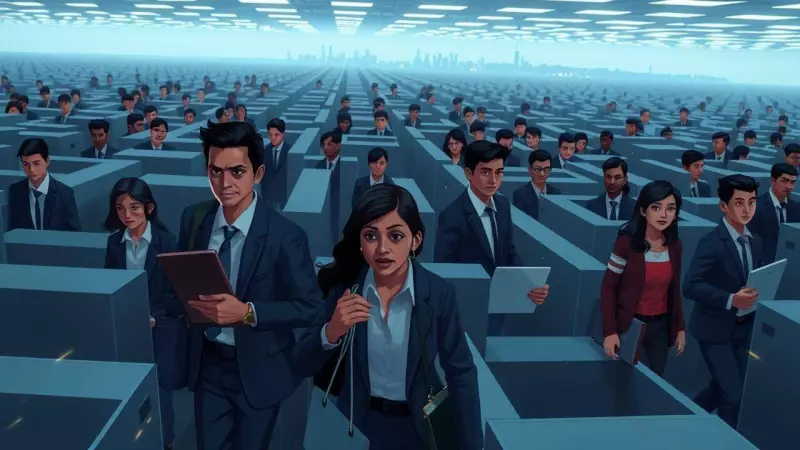
A profound yet quiet transformation is reshaping the American employment landscape. Unlike the dramatic headlines of mass resignations, this shift is characterised by a collective pause. After enduring years of layoffs, inflation shocks, and workplace instability, American employees are no longer aggressively chasing the next opportunity. Instead, they are clinging firmly to the jobs they currently hold.
The Great Stay: From Temporary Phase to Enduring Pattern
This emerging mindset is captured with stark clarity in a new national survey by MyPerfectResume, titled “The Great Stay: 2026 State of the Labor Market.” While the panic of previous years may have subsided, a deep-seated anxiety persists, now operating in the background and influencing decisions subtly. The data reveals a workforce making careful calculations, not one paralysed by fear.
One in three workers (32%) express fear of losing their job in 2026. A larger proportion, nearly six in ten, anticipate a rise in layoffs across the country. Furthermore, almost half believe the labour market will deteriorate in the coming year. This pessimism marks a sharp increase from the previous year, when just over a third held such a gloomy outlook.

The most significant statistic from the October 2025 survey of 1,000 employed US adults is this: 65% of workers state they do not plan to seek a new job in 2026. This figure effectively counters years of narrative around job-hopping and career agility. Employees are choosing to stay put, not due to overwhelming satisfaction, but because the perceived risk of moving now outweighs the potential reward. Reasons range from contentment with current pay to broader economic uncertainty, with a notable segment simply doubting that better opportunities exist.
Anxiety, Burnout, and a Defensive Posture
The fear of layoffs remains deeply embedded, even without new waves of mass firings. Forty-two percent of workers believe layoffs are likely at their own company in the next year, while 59% expect nationwide job cuts to increase. More than half anticipate business closures, and a staggering eight in ten worry about a potential recession. The resulting emotional state is a tense mix of preparation and hope.
Concurrently, burnout is expected to worsen for half of the workforce in 2026. However, its drivers have evolved. While job insecurity remains a factor, it is no longer the primary stressor. The leading causes now are increased workload, poor work-life balance, and dysfunctional workplace cultures. This indicates that even those who feel relatively secure in their positions are being worn down by the demands of their current roles.
When asked about their top concerns for 2026, workers' priorities reflect this defensive stance. Their focus has shifted from ambition to survival. Inflation and the cost of living top the list, followed by burnout and mental health. The fear of not finding another job if the current one disappears and salary stagnation are also major worries.
A Ceasefire on Remote Work and the Upskilling Gap
One area where anxieties have softened is the return-to-office debate. Compared to last year, when strict mandates were widely expected, now fewer than half of workers anticipate tougher office rules. Most believe hybrid work policies will remain stable, suggesting a tentative truce has been reached on where work happens.
There is also a recognised need to adapt, with more than half of workers open to upskilling and considering freelance or gig work as a backup. However, the survey indicates a gap between interest and action. After years of instability, the very act of preparing for the future feels exhausting, leaving many stuck between knowing what to do and mustering the energy or financial cushion to do it.

The era of The Great Resignation was defined by loud, decisive movement. The current phase, The Great Stay, is defined by quiet restraint. Workers are not giving up; they are bracing themselves. They are consciously choosing stability, even if it means standing still, because in today's uncertain economic climate, standing still feels markedly safer than stepping into the unknown. As 2026 approaches, this collective instinct for self-preservation is poised to shape the future of work more powerfully than any corporate policy.





