US Judge Halts Trump's Push to Deport Pro-Palestinian Student Activists
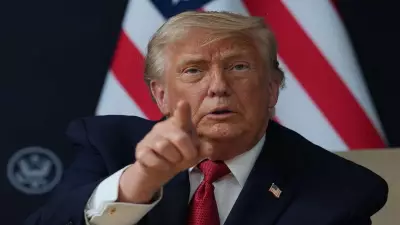
A federal judge in the United States has taken decisive action to curb former President Donald Trump's attempts to deport pro-Palestinian activists from college campuses. This ruling represents a major legal obstacle for Trump's immigration agenda, which has targeted student protesters involved in demonstrations related to the Israel-Palestine conflict.
Legal Battle Over Campus Activism
The judge's order specifically aims to restrict efforts by Trump's administration to initiate deportation proceedings against these activists. Many of these students have been vocal in their support for Palestinian rights, organizing rallies and events at universities across the country. Their activism has drawn attention from immigration authorities under policies that critics argue are overly broad and politically motivated.
This case highlights the ongoing tensions between free speech protections and immigration enforcement in the US. Pro-Palestinian groups on campuses have faced increased scrutiny in recent years, with some facing threats of visa revocations or removal from the country. The judge's intervention suggests that such actions may not withstand legal scrutiny when challenged in court.

Implications for Immigration Policy
The ruling could have far-reaching consequences for how the US government handles non-citizen activists. By blocking these deportation efforts, the judge is signaling that targeting individuals based on their political views or campus activities may violate constitutional rights. This decision comes amid broader debates about immigration reform and the treatment of foreign nationals in America.
Legal experts note that this move adds to a series of setbacks for Trump's hardline immigration policies, which have often been contested in the judiciary. It underscores the role of the courts in checking executive power, especially in areas involving civil liberties and due process. For the activists involved, the ruling offers a temporary reprieve, though the long-term outcome remains uncertain as appeals may follow.
Reactions and Next Steps
Supporters of the activists have welcomed the judge's decision, calling it a victory for free expression and immigrant rights. They argue that deporting students for their political stances sets a dangerous precedent and stifles dissent on campuses. On the other hand, proponents of stricter immigration controls may view this as an impediment to national security or policy enforcement.
The case is likely to proceed through further legal channels, with potential appeals from Trump's side or related government agencies. Observers will be watching closely to see how this affects similar cases and whether it influences broader immigration strategies. For now, the judge's restriction stands as a key development in the intersection of law, politics, and activism in the US.