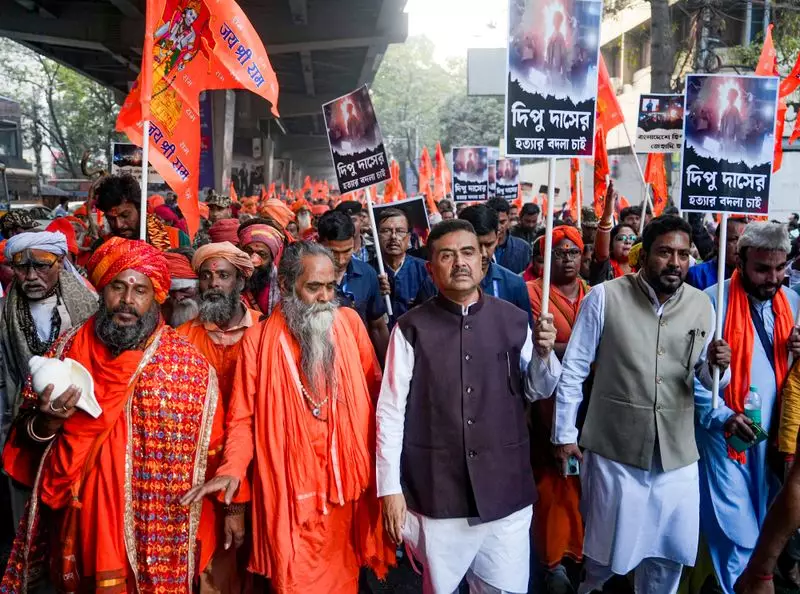
In a significant international response, a group of influential United States lawmakers has strongly condemned the brutal killing of a Hindu man in Bangladesh. The incident, which has sparked outrage and fear within the minority community, has drawn sharp criticism from American legislators concerned about religious freedom and human rights.
Details of the Tragic Incident and Initial Reactions
The victim, identified as Ananta Jalil, was reportedly killed on February 22, 2024. According to local reports and statements from community leaders, the attack was motivated by religious hatred. The news of his death quickly spread, leading to protests and demands for justice from the Hindu community within Bangladesh.
Initial police reports suggested a robbery motive, but this was widely disputed by community members and activists who pointed to a pattern of violence against religious minorities. The case gained immediate traction on social media and among human rights watchdogs, putting pressure on local authorities to conduct a thorough investigation.

US Lawmakers Voice Strong Condemnation
The situation escalated to the international stage when several US Congress members issued formal statements. Led by figures known for their advocacy on global human rights issues, the lawmakers denounced the killing as a heinous act of violence against a religious minority.
In their collective condemnation, the US legislators emphasized the need for the Bangladeshi government to ensure the safety and security of all its citizens, regardless of faith. They called for a transparent and impartial investigation to bring the perpetrators to justice. The lawmakers' statements highlighted a growing concern in Washington regarding the protection of minority rights in South Asia.
The bipartisan criticism from the US underscores the international dimension of the case, moving it beyond a local crime to an issue of global human rights observance.
Broader Implications for Religious Freedom
This incident is not isolated. It has brought renewed focus on the challenges faced by Hindu minorities in Bangladesh. Human rights organizations have documented numerous cases of violence, property destruction, and social discrimination against Hindus and other minority groups in the country over recent years.
The forceful response from US politicians is seen as a diplomatic nudge to the Bangladeshi administration. It signals that the treatment of religious minorities is a factor in international relations and could affect bilateral ties. The lawmakers' intervention aims to pressure Dhaka to uphold its constitutional commitments to secularism and religious equality more robustly.
Demands for Action and the Path Forward
The core demands emerging from this outcry are clear and multifaceted. First and foremost is the call for swift and credible legal action against those responsible for Ananta Jalil's murder. Activists and the victim's family seek a fair trial that delivers justice and acts as a deterrent against future hate crimes.
Secondly, there is a demand for the Bangladeshi government to implement stronger protective measures for minority communities. This includes ensuring police and local administrations are proactive in preventing such violence and are held accountable for any negligence.
Finally, the international community, led by voices like the US lawmakers, is urging for a broader societal effort to promote religious tolerance and harmony. The incident serves as a stark reminder that legal frameworks alone are insufficient without a parallel commitment to changing prejudiced mindsets within segments of society.
As the investigation continues, the world will be watching to see how Bangladesh addresses this tragedy. The outcome will not only determine justice for one family but will also signal the country's dedication to pluralism and the rule of law in the face of rising majoritarian pressures in the region.