US Escalates Maritime Confrontation with Iran Following Failed Nuclear Negotiations
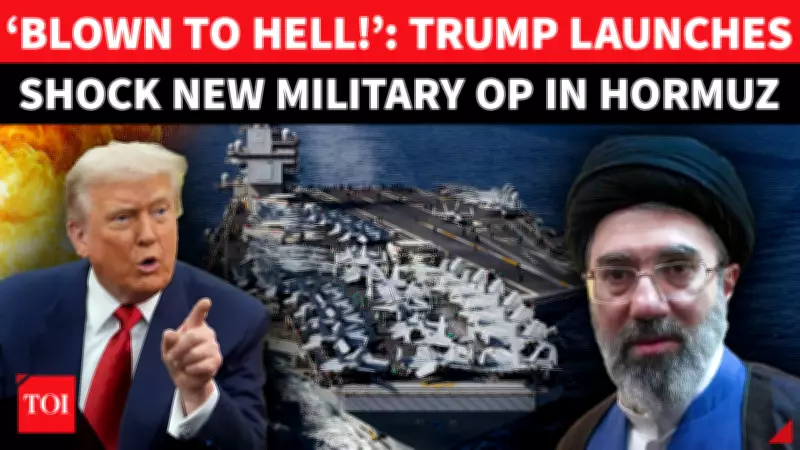
In a dramatic escalation of tensions, former President Donald Trump has announced a comprehensive naval blockade of the strategically vital Strait of Hormuz. This decisive military action comes directly on the heels of the collapse of high-stakes nuclear negotiations between the United States and Iran, which took place in Islamabad.
Diplomatic Efforts Collapse After Marathon Islamabad Talks
The path to confrontation was paved by nearly twenty hours of intensive diplomatic discussions. While Trump characterized the talks as having gone "well," he confirmed the fundamental impasse: Iran's nuclear program. The inability to resolve this core issue rendered the negotiations unsuccessful, prompting an immediate and forceful American response.
The new US directive represents a stark pivot from diplomacy to active maritime enforcement. The operational orders for the US Navy are clear and expansive. Naval forces are now authorized to interdict commercial and military vessels attempting to enter or exit the narrow strait. Furthermore, the Navy will target ships that comply with Iranian demands for toll payments for passage—a long-standing point of contention. Additional operations will focus on clearing the waterway of suspected Iranian naval mines, which pose a significant threat to international shipping.

Strategic Implications of the Hormuz Blockade
The Strait of Hormuz is arguably the world's most important maritime chokepoint for oil transit. A blockade here carries profound implications for global energy security and geopolitics. This US action signals a willingness to enforce its demands through military might, directly challenging Iranian sovereignty and its control over the waterway.
The deployment and new rules of engagement mark the most significant US military escalation against Iran in recent years. It transforms a simmering diplomatic dispute into a tangible, on-the-water confrontation, raising the risk of accidental clashes or a deliberate military exchange between the two powers.
Regional and Global Reactions Anticipated
This development is certain to trigger swift reactions from Tehran and its regional allies, potentially including:
- Retaliatory military posturing or asymmetric attacks by Iranian forces or proxies.
- Strong diplomatic condemnations at international forums like the United Nations.
- Increased volatility in global oil markets due to fears of supply disruption.
- Responses from other global powers with vested interests in the region's stability and free navigation.
The situation remains fluid and highly volatile. The US Navy's presence and its new mandate to actively police the strait create a precarious standoff. The world now watches to see if this blockade will force a recalculation in Tehran or lead to a further, dangerous escalation in one of the globe's most tense regions.