In a significant development in the ongoing Gaza conflict, the United States has unveiled plans to establish residential compounds for Palestinians in the Israeli-controlled sector of the territory. According to reports from the International New York Times dated November 25, 2025, American officials believe these secure facilities will encourage voluntary relocation by offering improved security conditions and economic opportunities.
The US Proposal for Gaza Resettlement
The Trump administration is spearheading an initiative to create specially designed compounds within the Israeli-held portion of Gaza. US officials hope Palestinians will feel encouraged to move to these new residential areas, drawn by multiple incentives including enhanced physical security, liberation from Hamas influence, employment prospects, and the chance to reconstruct their lives in stable environments.
This plan represents one of the most concrete proposals to emerge since the escalation of hostilities in the region. The compounds are envisioned as self-contained communities with their own security apparatus, potentially reducing the immediate threat of violence that has plagued Gaza for years.

Key Features and Expected Benefits
The proposed compounds aim to address several critical issues facing Palestinian civilians. Greater security remains the primary attraction, with US-planned facilities intended to provide protection from ongoing conflicts and militant activities. The promise of freedom from Hamas control addresses both political and social concerns that have complicated life in Gaza.
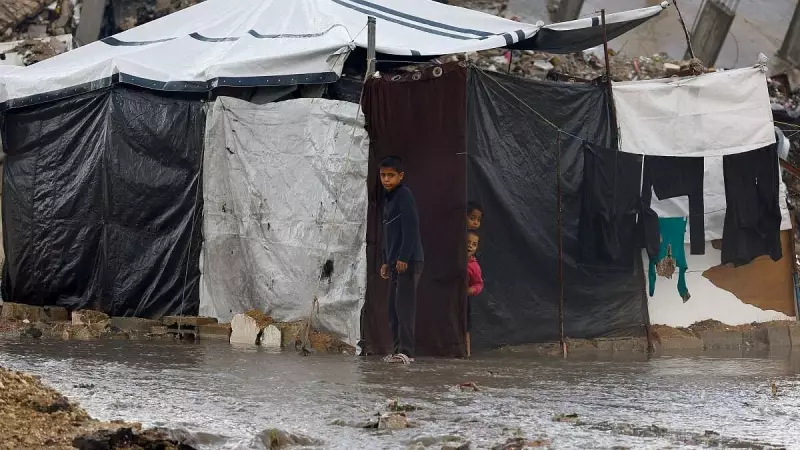
Economic incentives form another crucial component of the proposal. Job opportunities within or near the compounds could offer financial stability that has been largely absent in the war-torn territory. Additionally, the chance to rebuild lives in a structured environment presents a compelling alternative to the current living conditions many Palestinians endure.
Regional Implications and Potential Challenges
This initiative, while potentially beneficial for individual Palestinians, raises complex questions about the future political landscape of Gaza. The timing of the announcement, coming amid ongoing tensions, suggests the US is seeking immediate solutions to humanitarian concerns while longer-term political resolutions remain under negotiation.
The success of the plan likely depends on multiple factors, including Palestinian willingness to relocate, the actual security conditions within the compounds, and the reception from regional stakeholders. The proposal marks a significant intervention by the Trump administration in one of the world's most intractable conflicts, potentially reshaping demographic patterns within the contested territory.
As of November 25, 2025, details regarding the scale, funding, and timeline for these compounds remain under development. The international community continues to watch how this unconventional approach might influence the broader dynamics between Israelis and Palestinians.