US Strikes 90 Iranian Military Targets in Second Wave
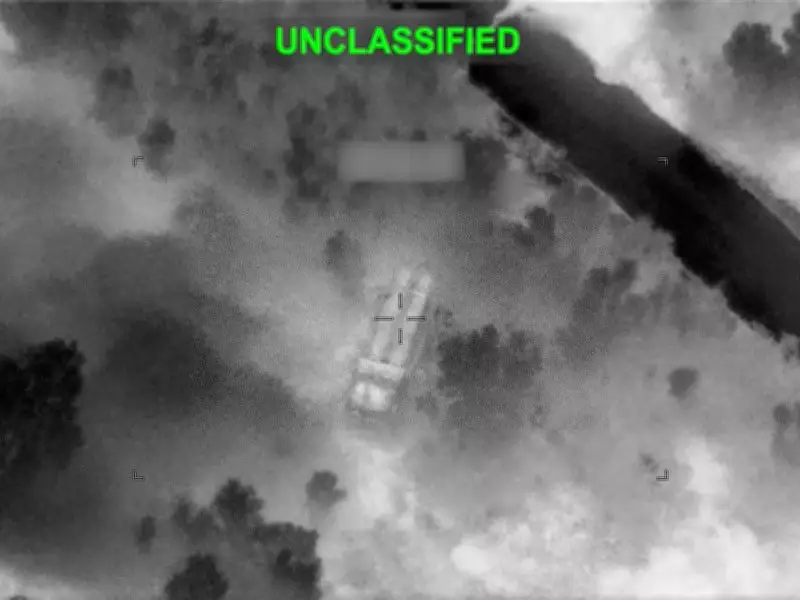
The United States has released operational footage showing precision strikes on approximately 90 Iranian military targets deep inside Iran, escalating its military campaign in the Middle East. According to US military officials, the latest round of aerial assaults pounded key Iranian military assets, including air defense systems, missile and drone storage facilities, and strategic command networks.
CENTCOM Confirms Additional Strikes
The US Central Command (CENTCOM) confirmed the military action on July 8, stating on social media platform X that it carried out 'an additional round of strikes against Iran ... to further degrade Iran's ability to attack commercial shipping and innocent civilian mariners in the Strait of Hormuz.' CENTCOM released video footage depicting precision strikes and multiple secondary explosions at Iranian military installations.
Initial Wave Hit 80 Targets
This second wave followed an initial offensive on July 7, when American forces struck around 80 Iranian military targets, destroying more than 60 Islamic Revolutionary Guard Corps (IRGC) boats. Washington stated that the initial offensive was a direct response to Iran's maritime strikes on three commercial vessels transiting the Strait of Hormuz. CENTCOM declared: 'U.S. forces remain vigilant, lethal, and prepared to execute operations directed by the Commander in Chief.'

Ceasefire Collapses
The heavy exchange of fire came after US President Donald Trump declared the ceasefire with Iran 'over.' The collapse of the truce has triggered global alarm, prompting the United Nations, Pakistan, and Qatar to urgently call for restraint as diplomatic efforts scramble to prevent all-out regional war.
Tehran Warns of Retaliation
Responding to the onslaught, Tehran renewed its warnings to Washington, asserting that any further American military misadventure would invite severe retaliation. Iranian Parliament Speaker Mohammad Bagher Ghalibaf accused the US administration of clinging to a confrontational foreign policy, arguing that Washington has failed to grasp that 'bullying and breaking promises are no longer cost-free.'
'America still hasn't learned that bullying and breaking promises are no longer cost-free. Let me put it plainly: if you strike, you'll get hit,' Ghalibaf warned during a public address. He further declared that the Strait of Hormuz would remain under Tehran's sovereign control, stating: 'Don't flail around pointlessly, or you'll sink even deeper. The Strait of Hormuz will only open with Iranian arrangements, not American threats.'
Explosions Reported in Coastal Cities
Iranian state media reported powerful explosions rocking several coastal locations, including Bandar Abbas, Konarak, Chabahar, and Kish Island. Local reports indicated that parts of the critical port city of Chabahar suffered extensive power outages immediately following the US strikes.