US Targets Iranian Oil Tankers with New Sanctions Amid Unrest
The United States government on Friday announced fresh sanctions against a fleet of nine ships and their owners, accusing them of transporting hundreds of millions of dollars' worth of sanctioned Iranian oil to foreign markets. This move represents a significant escalation in pressure on Tehran, coming at a time when Iran is experiencing widespread unrest and a severe nationwide crackdown on protesters.
Linking Sanctions to Internet Shutdown and Repression
The US Treasury Department explicitly connected these sanctions to Iran's decision to shut down internet access across the country, a measure authorities implemented to conceal the violent suppression of demonstrations. Treasury Secretary Scott Bessent emphasized that the sanctions "target a critical component of how Iran generates the funds used to repress its own people." This statement underscores the Biden administration's strategy to financially cripple mechanisms that support Tehran's internal repression.
Details of the Sanctioned "Shadow Fleet"
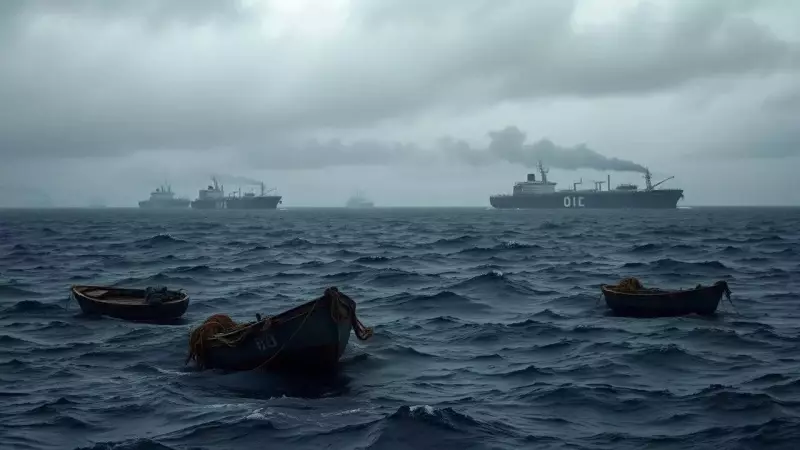
According to the Treasury's Office of Foreign Assets Control (OFAC), the nine vessels—flagged in jurisdictions including Palau and Panama—are part of what is known as Iran's "shadow fleet." This network consists of aging tankers that Iran uses to move oil and other goods in direct violation of international sanctions, particularly those targeting Iran and its ally Russia. The sanctions effectively bar the targeted entities from conducting any business with Americans and restrict their access to US-based assets and financial systems.

In a post on social media platform X, OFAC stated that this action was taken "amidst the Iranian regime's brutal crackdown on peaceful protestors and its complete shutdown of internet access to conceal its abuses against the Iranian people." The agency further revealed that these vessels and their associated owners or management firms have collectively transported Iranian oil and petroleum products valued at hundreds of millions of dollars to overseas markets.
Context of Iran's Internet Blackout and Protests
Iranian citizens and businesses are currently enduring the longest and most comprehensive internet shutdown in the history of the Islamic Republic. Authorities initiated this blackout on January 8, as nationwide protests intensified and the government sought to curb information sharing during a violent crackdown. This digital blockade has severely hampered communication and access to information, exacerbating the humanitarian crisis.
Escalating US-Iran Tensions and Military Posturing
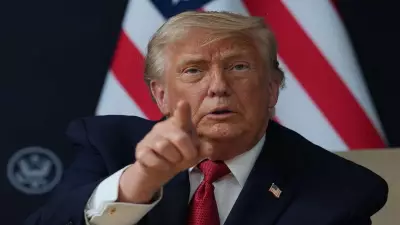
Friday's sanctions unfold against a backdrop of rapidly escalating tensions between Washington and Tehran. In a related development, an American aircraft carrier group is moving closer to the Middle East. President Donald Trump described this deployment as sending an "armada" during remarks to reporters aboard Air Force One late Thursday. Trump indicated that the ships were being positioned "just in case" action against Iran's government becomes necessary, as reported by the Associated Press.
The US president has repeatedly asserted that his warnings to Iran have prevented the execution of more than 800 dissidents. However, Iran's top prosecutor dismissed this claim on Friday as "completely false." Meanwhile, human rights activists report that the death toll from Iran's crackdown on nationwide demonstrations has risen to at least 5,032, highlighting the severe human cost of the unrest.
Previous Sanctions and Broader Implications
Earlier this month, the United States also sanctioned Iranian officials and firms accused of aiding the repression. Among those targeted was the secretary of Iran's Supreme Council for National Security, whom Washington alleges was among the first to call for violence against protesters. These coordinated sanctions reflect a broader US strategy to hold Iranian authorities accountable for human rights abuses while disrupting the economic channels that fund such activities.

The latest measures signal a hardening US stance towards Iran, combining financial pressure with military deterrence. As the situation continues to evolve, the international community watches closely, with concerns mounting over regional stability and the welfare of the Iranian people caught in the crossfire of geopolitical tensions and domestic upheaval.