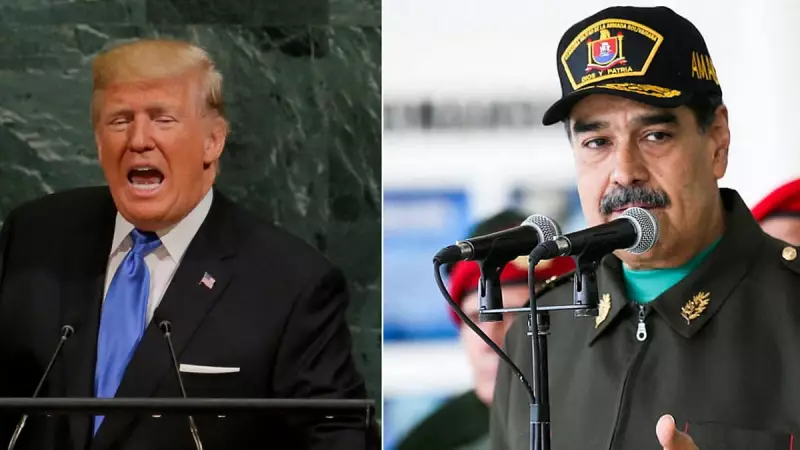
In a dramatic escalation of tensions, the United States military conducted targeted strikes inside Venezuela on Saturday, January 3. The action followed months of threats from US President Donald Trump directed at the government of Venezuelan President Nicolas Maduro.
Explosions Rock Caracas and Key States
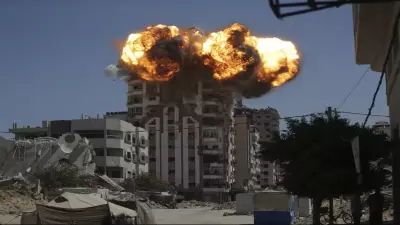
Reports from the ground confirmed that explosions rocked the Venezuelan capital of Caracas. The Venezuelan government officially stated that the attacks were not limited to the capital. Strikes were also reported in the states of Miranda, Aragua, and La Guaira. This multi-pronged military action prompted an immediate and severe response from the Maduro administration.
Maduro's Response and Trump's Bold Claim
Faced with the aerial assaults, President Nicolas Maduro swiftly declared a national emergency. He ordered the full mobilization of the country's defense forces to counter what he termed an act of aggression. In a stunning development on the same day, US President Donald Trump announced that the United States had successfully captured Venezuelan President Nicolas Maduro and his wife. Trump further claimed that the captured leader had been flown out of the country, a statement that sent shockwaves through international diplomatic circles.

Aftermath and Escalating Crisis
The situation on the ground remains fluid and highly volatile. The declaration of a national emergency grants the Venezuelan government sweeping powers. The mobilization of its military indicates a preparation for a prolonged confrontation. The international community is now watching closely, as this direct intervention marks a significant turning point in the long-standing political and economic crisis that has gripped Venezuela. The claims regarding Maduro's capture, if verified, would represent an unprecedented move in modern inter-state relations.
This development is the culmination of a protracted standoff. The United States, along with many other nations, does not recognize Nicolas Maduro as the legitimate president of Venezuela, having instead recognized opposition leader Juan Guaido. The events of January 3 represent a decisive shift from diplomatic and economic pressure to overt military action.