

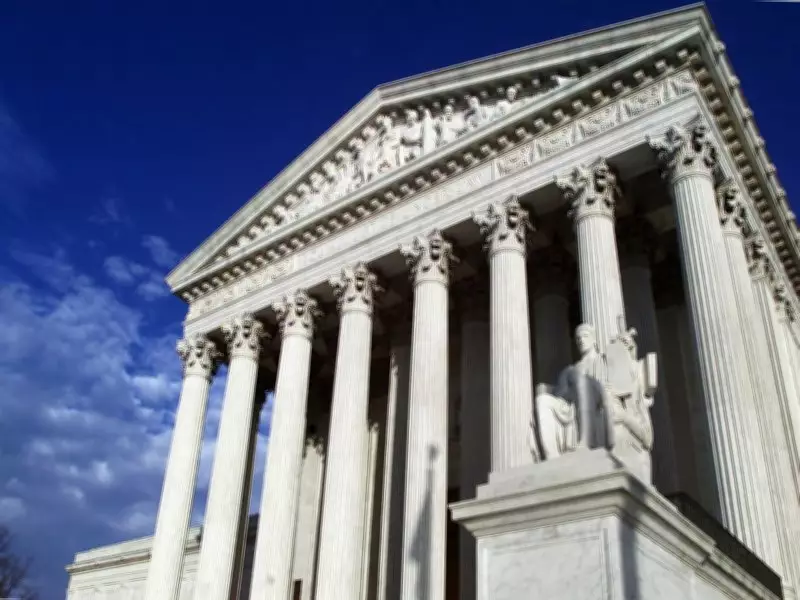
The United States Supreme Court issued a 6-3 ruling on Tuesday that makes it easier for border authorities to deport lawful permanent residents, or green card holders, who are accused of crimes involving moral turpitude. The decision in Blanche v. Lau, authored by Justice Clarence Thomas, holds that immigration officials do not need to prove by clear and convincing evidence that a returning green card holder committed a disqualifying offense before denying admission. Instead, authorities need only establish that there is reason to believe such an offense may have been committed.
Key Ruling Details
The majority opinion stated that the Immigration and Nationality Act does not require clear and convincing evidence for inadmissibility determinations. This ruling strengthens the powers of border agents to deny entry and initiate removal proceedings against lawful permanent residents arriving at US ports of entry if they are suspected of involvement in crimes involving moral turpitude. The case involved Muk Choi Lau, a Chinese national and US green card holder, who was deemed inadmissible at New York's John F. Kennedy International Airport in 2012 after returning from China while facing New Jersey state charges related to trademark counterfeiting.
Impact on Green Card Holders
US immigration law generally permits green card holders who travel abroad for short periods to re-enter the country, but includes exceptions if the individual is convicted of, or admits to, committing a crime involving moral turpitude. Lau later pleaded guilty to the counterfeiting charge and was subsequently ordered deported. He continued to challenge the removal proceedings, arguing that the offense did not qualify as one involving moral turpitude.

Dissenting Opinion
In the dissent, Justice Ketanji Brown Jackson, joined by Justices Sonia Sotomayor and Elena Kagan, argued that the government should bear the burden of proving that a green card holder actually committed a disqualifying offense before revoking their status. Jackson wrote, "I worry that the court has now handed the government a massive blank check." She further noted that the decision allows the government to return a lawful permanent resident to the status of seeking admission upon entry at the border, so long as the government is able to show later that he was eventually convicted, undermining the plain terms and basic operation of the law.
Broader Implications
According to ABC News, the ruling marks a setback for petitioner Muk Choi Lau. The decision effectively lowers the evidentiary standard for border agents, potentially affecting many green card holders who travel abroad and face allegations of criminal conduct. Legal experts anticipate that this ruling could lead to increased scrutiny and deportation risks for lawful permanent residents with pending charges or past convictions involving moral turpitude.






