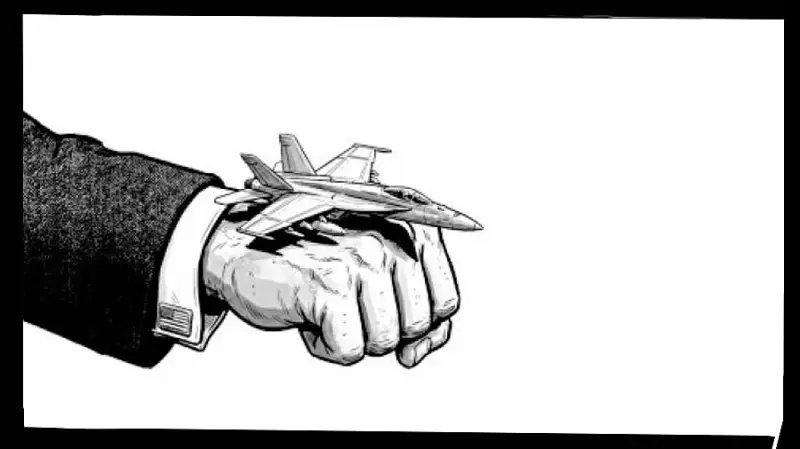
The United States' application of its doctrine of unilateral force against Venezuela represents a critical flashpoint in international relations, driven primarily by geo-economic interests. This aggressive posture, as analyzed by expert Deepanshu Mohan, effectively strips a smaller nation of its sovereign rights and contributes to significant disturbances in the established global order. The core issue revolves around the powerful imposing their will upon the less powerful, setting a dangerous precedent.
The Mechanics of Geo-Economic Aggression
At the heart of the conflict lies a complex web of American strategic and material interests. The doctrine of unilateral force is not employed in a vacuum; it is a tool leveraged to secure advantages in resources, trade, and geopolitical influence. In the case of Venezuela, its vast oil reserves and strategic location make it a target for external pressure. Deepanshu Mohan, in his analysis last updated on 04 January 2026, argues that this action is a clear example where economic goals override the principles of national sovereignty and international law. The US approach involves a combination of sanctions, diplomatic isolation, and threats of force, which collectively cripple the target nation's economy and political autonomy.
Erosion of Sovereignty and International Law
The most direct casualty of this doctrine is the sovereign integrity of Venezuela. Unilateral actions, taken without the sanction of multilateral bodies like the United Nations, undermine the very foundation of a rules-based world order. They establish a paradigm where might makes right, and smaller countries are left vulnerable to the whims of greater powers. This creates a climate of instability and fear, discouraging diplomatic solutions and encouraging confrontational postures globally. The deprivation of sovereignty is not merely a political talking point; it has real consequences for the Venezuelan people's right to self-determination.

Global Repercussions and the Path Forward
The disturbance to the world order is profound. When a major power consistently acts unilaterally, it erodes trust in international institutions and treaties. Other nations may feel compelled to adopt similar tactics for their own security, leading to a more fragmented and volatile international environment. The situation calls for a reaffirmation of multilateralism and a commitment to diplomatic engagement. The global community must critically examine the long-term costs of allowing geo-economic interests to justify the unilateral use of force or coercive measures against sovereign states. The precedent set in Venezuela could easily be applied elsewhere, further destabilizing the delicate balance of international relations.
In conclusion, the American stance towards Venezuela, as critiqued by Deepanshu Mohan, is a stark reminder of the ongoing tensions between power politics and principled international conduct. The doctrine of unilateral force, fueled by geo-economic drivers, poses a significant threat not only to the targeted nation but to the architecture of global peace and stability itself. A return to cooperative, rules-based engagement is essential to prevent further erosion of sovereignty and world order.