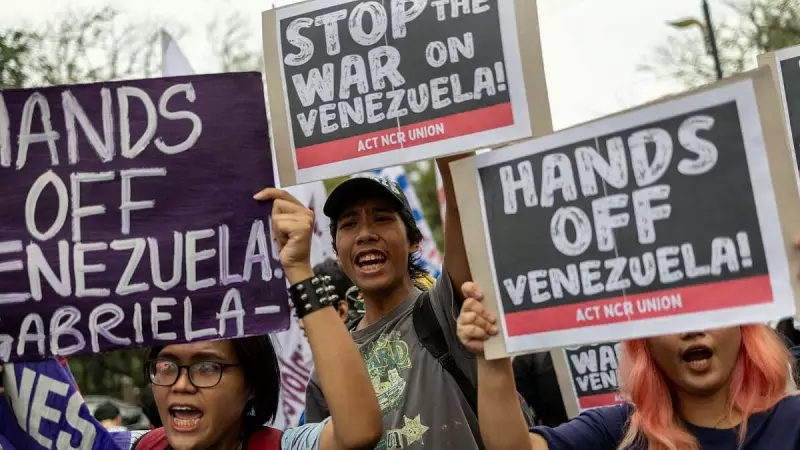
The recent military action authorised by the United States against Venezuela, aimed at deposing President Nicolás Maduro, has sent shockwaves through the global community. While the outcome of this intervention remains uncertain, the manner of its execution is already raising profound questions about the future of international law and sovereignty.
A Pattern Interrupted? How This Move Differs
The United States has a long history of intervening in foreign nations and orchestrating the removal of leaders it deems unfavourable. From Latin America to the Middle East, such actions are woven into the fabric of 20th and 21st-century geopolitics. However, analysts argue that the current operation in Venezuela carries a distinctly different tone. It is seen as particularly brazen and unilateral, lacking the multilateral coalitions or extensive diplomatic cover that sometimes characterised past endeavours.
The justification presented by the administration of former President Donald Trump has been couched firmly in the language of US exceptionalism. This doctrine asserts that America's unique role and moral standing grant it privileges beyond those of other nations, including the right to act as a global arbiter. This public defence marks a significant shift, moving away from more nuanced justifications tied directly to immediate global security threats.

The Core Concern: Eroding the Pillars of Global Order
The immediate objective—the removal of Nicolás Maduro—may or may not succeed in bringing about the political change desired by Washington. Yet, experts warn that the process itself inflicts serious collateral damage. The action strikes at the heart of the fragile architecture of international law, a post-World War II system designed, ironically with significant US input, to protect state sovereignty and deter aggressive war.
By acting outside established United Nations frameworks and without broad international consensus, the US sets a dangerous precedent. It potentially green-lights a world where powerful nations can routinely violate borders based on their own political assessments, undermining the very rules meant to prevent conflict and protect smaller states.
Implications for the Future Global Landscape
The consequences of this action extend far beyond the Caribbean. Firstly, it deepens global divisions, forcing nations to choose sides in a new era of blunt power politics. Secondly, it provides a ready-made justification for other major powers to engage in similar unilateral interventions in their own spheres of influence, citing the "Washington precedent."
Finally, it weakens the normative force of international institutions, making it harder to build cooperative responses to transnational challenges like climate change, pandemics, or terrorism. The move, dated in reports from 05 January 2026, thus represents not just a regional power play but a potential inflection point for how world order is governed.
In essence, while the streets of Caracas may be the immediate theatre, the real battleground is the set of principles that have, however imperfectly, guided international relations for decades. The damage to that system may prove far more lasting than the fate of any single leader.