Growing US Visa Delays Impact Indian Applicants Amid Stricter Scrutiny
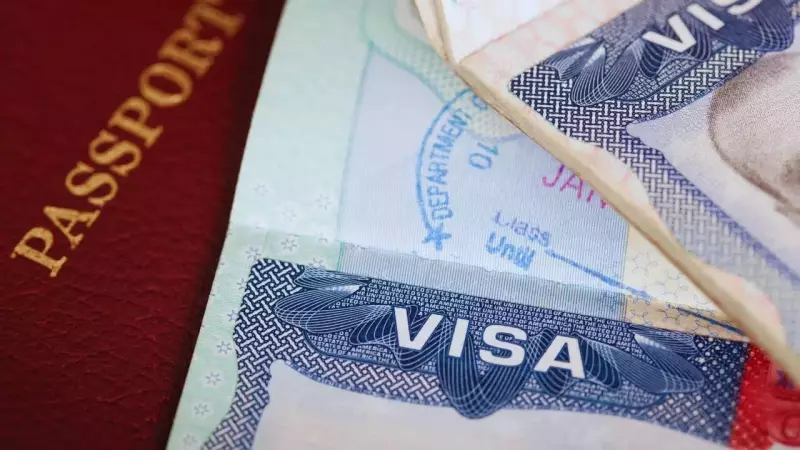
Indian citizens planning to travel to the United States are encountering unprecedented delays in their visa processing, with many facing extended wait times and increased administrative hurdles. This situation has created significant challenges for applicants, particularly those seeking H-1B and other employment-based visas.
Increased 221(g) Notices and Background Verification
Over the past year, there has been a noticeable rise in the issuance of 221(g) notices to Indian applicants. These temporary visa refusals allow consular officers to conduct additional background checks before making final decisions. The trend has intensified since President Donald Trump assumed office in January 2025, with his administration implementing tighter visa norms and enhanced screening procedures.
According to data from US Citizenship and Immigration Services, Indians accounted for over 70% of H-1B visas in Fiscal Year 2024, making them particularly vulnerable to these new measures. Section 221(g) of the US Immigration and Nationality Act provides the legal framework for these temporary refusals, but experts note that the scope has expanded significantly.

Expert Insights on the Processing Slowdown
Immigration attorney Joel Yanovich of Murthy Law Firm observed, "We probably are seeing a higher rate of 221(g) notices. While it's difficult to quantify, the anecdotal evidence suggests that more people are running into further delays, even after getting in for an appointment." He emphasized that cases which previously wouldn't have triggered additional scrutiny are now facing prolonged processing times.
Gnanamookan Senthurjothi, founder of the Visa Code, highlighted specific concerns: "Since May 2025, we have seen applicants with prior arrest records, which are over a decade old, getting 221(g). This is despite multiple stampings they have done before." He added that even individuals with valid documentation are experiencing visa revocations, leaving hundreds of Indians stranded in the United States.
Social Media Vetting and Biometric Requirements
Xiao Wang, founder of Boundless Immigration, explained the procedural changes contributing to delays: "All applications are now taking longer for officers to evaluate, slowing down the entire process. Now that they have to do detailed social media vetting and put every case under additional scrutiny and judgment, each case is taking more time, resulting in longer delays for all applications."
Wang also reported an increase in biometric requests for H-1B applications, a requirement that was relatively uncommon in previous years. This additional layer of verification has further extended processing timelines for many applicants.
Appointment Cancellations and Extended Wait Times
The visa processing delays have been compounded by widespread appointment cancellations and rescheduling. Wang noted, "We saw mass cancellations of appointments in early December, when many had already departed the US. These appointments were rescheduled initially for March and April but then some were being pushed out as far as November."
Applicants receiving 221(g) notices are now being asked to provide extensive additional documentation, including toxicology reports and comprehensive police records. While this represents progress in individual cases, Senthurjothi emphasized that hundreds of Indians remain affected by these processing challenges.
Unprecedented Visa Revocations and Their Impact
Perhaps most concerning are reports of visas being "prudentially revoked" without clear explanation. Wang confirmed that many applicants are receiving such notifications, creating uncertainty and disruption for individuals who had previously received visa approvals.
The combination of enhanced social media scrutiny, increased biometric requirements, and expanded use of 221(g) notices has created a perfect storm of delays for Indian visa applicants. As the United States continues to implement stricter immigration policies under the current administration, Indian citizens—who represent the largest revenue-generating market for US visas—find themselves navigating an increasingly complex and time-consuming application process.