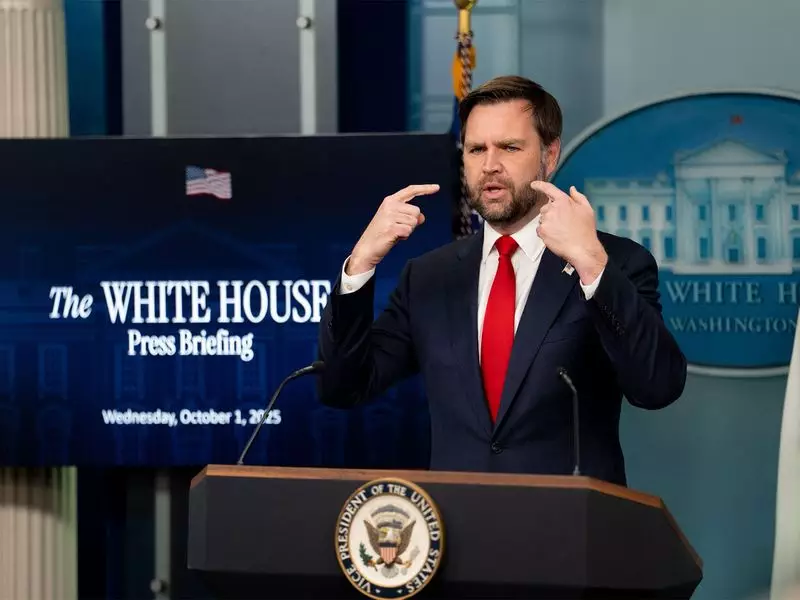
In a significant and hardline statement, United States Vice President JD Vance has publicly defended the recent military actions taken by Washington against Venezuela. The justification centers on two primary accusations: Venezuela's alleged role as a hub for international drug trafficking and the expropriation of American oil assets.
Vance's Justification: Narcotics and Nationalized Oil
Vice President Vance articulated a clear rationale for the US government's aggressive posture. He pointed a direct finger at the Nicolas Maduro-led government in Caracas, accusing it of facilitating the flow of illegal narcotics into the United States and other regions. This, Vance argued, poses a direct threat to American national security and public health.
Furthermore, the Vice President brought the issue of economic sovereignty to the forefront. He strongly criticized Venezuela's history of expropriating assets from foreign oil companies, including those based in the United States. Vance framed these actions not merely as commercial disputes but as violations of international norms and property rights that warrant a firm response. His defense suggests that the military moves are seen by the current US administration as a legitimate means to protect its economic interests and counter security threats emanating from the South American nation.

Context of Escalating Tensions
The statement from the Vice President does not exist in a vacuum. It comes amidst a period of heightened friction between the United States and Venezuela. The relationship has been strained for years, marked by severe US sanctions targeting Venezuela's crucial oil sector, diplomatic recognitions of opposition figures, and now, overt military maneuvers.
The US has long labeled Venezuela under Maduro as a "narco-state," an allegation Caracas vehemently denies, calling it a pretext for intervention. The oil expropriation issue dates back over a decade, when the late President Hugo Chavez's government nationalized major oil projects, leading to protracted legal battles with corporations like ConocoPhillips and ExxonMobil.
Regional and Global Implications
Vance's unequivocal defense of military action is likely to have significant ripple effects. Regionally, it may deepen divisions within Latin America, where many countries have historically opposed foreign intervention in sovereign affairs, despite criticisms of the Maduro regime. It could also influence the stance of other global powers with interests in Venezuela's vast natural resources.
For the United States, this position signals a continuation and potential intensification of a confrontational strategy. It moves beyond economic and diplomatic pressure into the realm of acknowledged military activity, setting a precedent for how Washington might address similar challenges elsewhere. The situation places a spotlight on the evolving doctrine of the US administration regarding the use of force to protect perceived national interests abroad, particularly concerning energy security and the flow of controlled substances.
As the international community watches, the justifications offered by Vice President JD Vance frame the conflict in stark terms of law enforcement and economic justice. The coming weeks will reveal whether this rhetoric leads to further escalation or becomes the foundation for a new, tense status quo in US-Venezuela relations.