

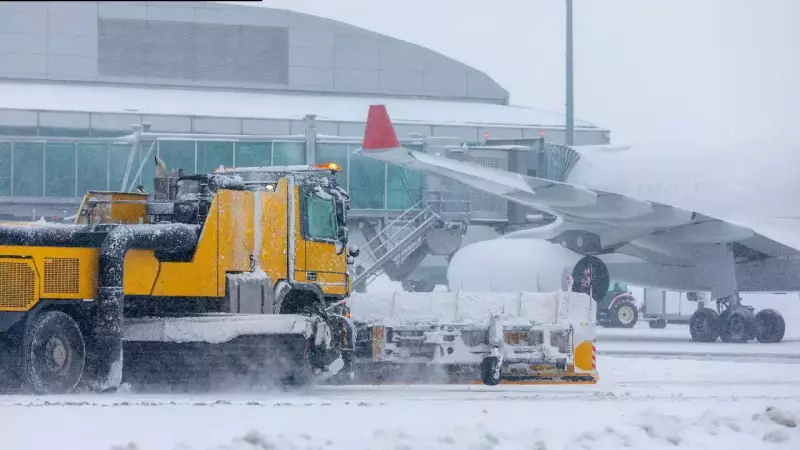
US Winter Storm Aftermath: Snow Eases but Extreme Cold Grips Nation
Winter weather across the United States is gradually easing in many regions, yet the profound effects of a major storm continue to be visible from the expansive Plains all the way to New England. Over several days, a powerful system unleashed snow, sleet, and freezing rain across dozens of states, resulting in deep accumulations, treacherous icy roads, and widespread disruptions to daily life. While the storm itself has now moved offshore, a surge of cold air trailing behind it is settling across much of the central and eastern portions of the country.
Weather Officials Report Slow Improvement Amid Lingering Cold
According to weather officials, conditions are slowly improving as cleanup efforts persist. However, temperatures remain well below average, creating ongoing challenges. Travel continues to be difficult in numerous areas, with many schools and essential services still affected. Various weather warnings remain active as the focus shifts from heavy snowfall to the prolonged cold spell, which is expected to linger through the middle of the week in many regions nationwide.
Northeast Records Highest Snow Totals
Snow totals across the Northeast were among the highest recorded during this significant weather event. Parts of Massachusetts, New York, and New Hampshire reported accumulations exceeding 20 inches, with several communities experiencing totals that rendered roads impassable for extended periods. Connecticut, Rhode Island, and Maine also witnessed widespread snowfall in the high teens. Crews are diligently working to clear streets and reopen transport links, though progress has been uneven due to the sheer volume of snow.

Southern States Grapple with Ice and Sleet
Further south, the storm manifested differently, bringing significant sleet and freezing rain to states including Arkansas, Mississippi, Louisiana, and parts of Texas. In some areas, ice accumulated on trees and power lines, leading to outages and perilous driving conditions. Even where snow totals were lower, the ice has created lasting problems that are slower to resolve, complicating recovery efforts.
Midwest and Ohio Valley Face Prolonged Disruption
The Midwest and Ohio Valley endured a prolonged period of steady snow, with many locations reporting between 10 and 16 inches. Cities in Illinois, Indiana, and Ohio struggled to keep roads clear as temperatures plummeted. In parts of Pennsylvania and West Virginia, snow mixed with sleet added to the difficulty. Urban areas have recovered faster than rural ones, where access remains limited due to unplowed roads and isolated conditions.
Mountain Regions Experience Extreme Snowfall
In the Rockies and the Southwest, higher elevations recorded some of the most dramatic snowfall totals. Mountain locations in Colorado and New Mexico saw accumulations well above two feet. While these areas are accustomed to winter conditions, the sheer volume of snow has increased avalanche risk and led to the closure of critical mountain passes, disrupting travel and local economies.
Dangerous Cold Emerges as Primary Concern
As skies begin to clear, attention has turned to the dangerous cold air settling behind the storm. Much of the central and eastern United States is expected to see daytime temperatures remain below freezing, with overnight lows in some areas forecast to drop below zero. Weather officials are urgently advising people to limit exposure to the cold and to check on vulnerable neighbors, emphasizing the health risks associated with such extreme temperatures.
More Winter Weather Remains Possible
Looking ahead, lake-enhanced snow is expected to continue around the Great Lakes, and another weather system may increase snowfall later in the week. Meanwhile, the West Coast is experiencing the start of a new pattern, with light rain in California and snow in the Cascades. The broader weather pattern remains unsettled, indicating that winter challenges are far from over. For many communities, the storm is no longer falling from the sky but persists in the form of piled snow, iced branches, and the quiet strain of cold mornings that have yet to lift.
The article above is based on information published by the Weather Prediction Centre.






