

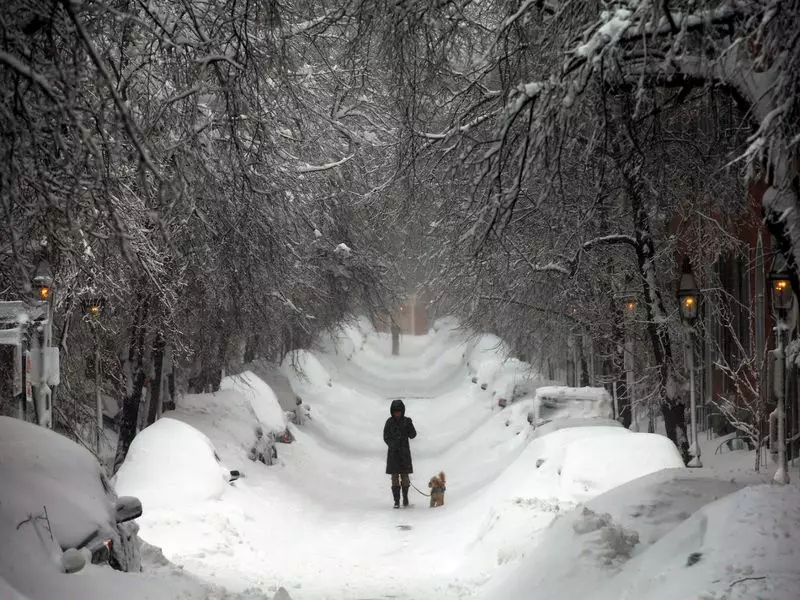
US Winter Storm Intensifies, Grounding Over 14,000 Flights Nationwide
A powerful winter storm has unleashed chaos across the United States, severely disrupting air travel operations and leading to the cancellation of more than 14,000 flights. The intensifying weather system, characterized by heavy snowfall, freezing rain, and strong winds, has created hazardous conditions at major airports, forcing airlines to halt services and leaving thousands of passengers stranded.
Widespread Travel Disruptions and Operational Challenges
The flight cancellations span multiple airlines and affect numerous airports from the Midwest to the Northeast, with hubs like Chicago O'Hare, Denver International, and New York's LaGuardia experiencing significant operational setbacks. Airlines have been compelled to preemptively cancel flights to ensure passenger safety and manage the logistical nightmare caused by the storm. The cancellations include both domestic and international routes, exacerbating the travel woes during a peak period.
Meteorologists report that the winter storm is one of the most severe this season, with blizzard warnings and winter weather advisories in effect across several states. The rapid intensification of the storm has caught many travelers off guard, leading to last-minute changes and overcrowded airport terminals as people scramble to rebook their journeys.

Impact on Passengers and Airline Response
Passengers have faced immense inconvenience, with reports of long delays, lost baggage, and limited rebooking options. Airlines have issued travel waivers, allowing affected passengers to change their flights without penalties, but the sheer volume of cancellations has overwhelmed customer service systems. Many travelers have taken to social media to express frustration over the lack of communication and support from carriers.
In response to the crisis, airlines are deploying additional staff and resources to manage the situation. However, the persistent bad weather and icy runways continue to hamper recovery efforts. Experts warn that the disruptions could persist for several days as the storm moves eastward, potentially affecting more regions.
Broader Implications for US Air Travel
This incident highlights the vulnerability of the US aviation infrastructure to extreme weather events. With climate change contributing to more frequent and intense winter storms, airlines and airports may need to invest in better preparedness and contingency planning. The economic impact is also significant, with losses running into millions of dollars due to cancelled flights and operational downtime.
As the winter storm intensifies, authorities urge travelers to check flight statuses regularly and consider postponing non-essential trips. The Federal Aviation Administration is closely monitoring the situation and coordinating with airlines to minimize further disruptions. This event serves as a stark reminder of how weather can bring even the busiest air travel networks to a standstill.






