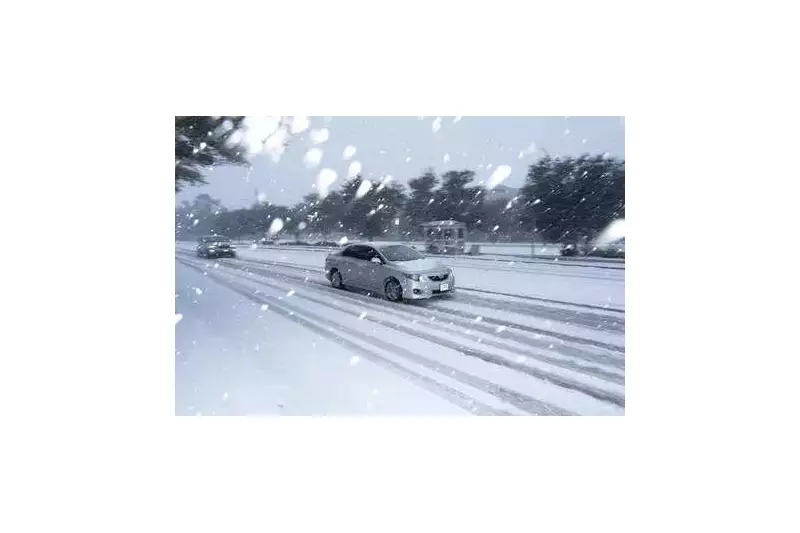
A severe winter storm sweeping across vast regions of the United States has brought daily life to a standstill on Monday, January 26, as treacherous icy roads, heavy snowfall, and widespread power outages disrupted communities from Texas to Maine. According to the National Weather Service, more than 138 million people remain under winter storm warnings or advisories, with an additional 16 million facing ice storm warnings. Some of the hardest-hit areas include eastern Louisiana, much of Mississippi, and a tri-state stretch covering Georgia, South Carolina, and North Carolina.
Storm Claims Lives and Cuts Power
The storm has already claimed at least two lives, while hundreds of thousands of families have been left without electricity, struggling to stay warm amid the frigid temperatures. Authorities have urgently advised residents to avoid travel due to the hazardous conditions, emphasizing safety as the top priority during this weather emergency.
Major Cities Shift to Remote Learning or Close Schools
In response to the storm, numerous major cities have implemented significant changes to their educational schedules. New York City Public Schools announced a shift to remote learning for January 26, cancelling all after-school programmes, athletic activities under the Public Schools Athletic League, and adult education classes. Similarly, Boston Public Schools declared that all schools and central offices would remain closed for the day.

Baltimore City Public Schools confirmed a full shutdown across the district, while Atlanta Public Schools suspended classes, with officials stating they will closely monitor weather conditions before deciding on a return for students the following day. In Middle Tennessee, Rutherford County Schools became one of the first large districts to cancel classes for both January 26 and 27 as the multi-day storm began moving through the region. This decision was soon followed by Clarksville-Montgomery County School System, Metro Nashville Public Schools, Williamson County Schools, and several neighbouring districts.
Ohio Districts and Universities Grapple with Closures
Ohio has also been significantly impacted, with Cincinnati Public Schools, the largest district in the region, announcing closures for Monday due to snow and ice. Columbus City Schools cancelled all classes and extracurricular activities as well. Higher education institutions have taken similar precautionary measures.
The Ohio State University shifted to virtual instruction for January 26 and 27, keeping the campus open only for limited services. Ohio Wesleyan University closed its campus for January 26, though faculty may still conduct classes remotely. Essential staff in facilities, dining, and public safety have been asked to report to work where possible, highlighting the balance between safety and essential operations.
Safety and Preparedness Amid Ongoing Threats
School leaders across affected states have emphasized that their decisions were guided by student safety, staff well-being, and the dangerous travel conditions. Transportation departments in several regions are actively treating icy roads, while utility companies race to repair damaged power lines to restore electricity to affected households.
Weather officials warn that the storm system could continue to impact communities over the next few days, with forecasts predicting additional snow, freezing rain, and bitter cold. As families adjust to remote learning and unexpected closures, authorities encourage residents to stay informed about official alerts, conserve energy where possible, and check in on vulnerable neighbours, such as the elderly or those with medical conditions.
With millions still under advisories and emergency crews stretched thin, this winter storm serves as a stark reminder of the disruptive force of severe weather and the critical importance of preparedness during extreme conditions. The widespread closures and safety measures underscore the collective effort to mitigate risks and protect communities across the United States.