

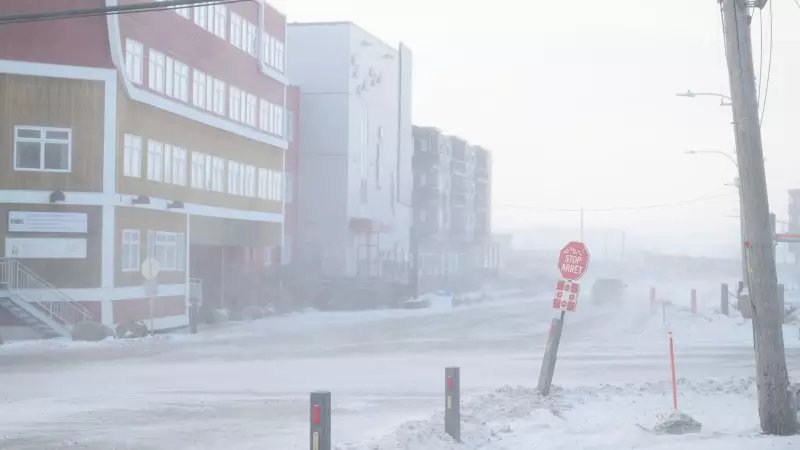
US Winter Storm Cripples Power Grid, Triggers Emergency Declarations Across States
A massive winter storm sweeping across the United States has left more than 160,000 people without power, forced thousands of flight cancellations, and prompted emergency declarations in multiple states. Forecasters are warning of dangerous ice, heavy snow, and brutally cold temperatures over the coming days, with the National Weather Service describing potential impacts as "crippling to locally catastrophic".
Widespread Power Outages and Travel Chaos
The storm has brought snow, sleet, and freezing rain to the eastern two-thirds of the country, stretching from the southern Rockies to New England. Some regions are bracing for the worst ice storm in more than a decade. According to FlightAware, more than 13,000 flights scheduled for Saturday and Sunday have been cancelled, including widespread disruptions at major hubs such as:
- Dallas–Fort Worth
- Chicago
- Atlanta
- Washington
Power outages climbed past 160,000 late Saturday, mostly concentrated in Louisiana and Texas. Ice-laden trees and downed power lines have caused damage comparable to hurricane impacts in some areas, leaving residents without electricity in freezing conditions.

Federal Emergency Response Activated
US President Donald Trump announced he had approved emergency declarations for at least a dozen states, including Tennessee, Georgia, North Carolina, Louisiana, and West Virginia. Federal agencies have mobilized resources to assist state and local authorities in responding to the crisis.
"We are working closely with FEMA, Governors, and State Emergency Management teams to ensure the safety of everybody," Trump wrote on Truth Social, urging Americans to "Stay Safe, and Stay Warm."
Regional Impact and Weather Forecast
The National Weather Service has issued particularly dire warnings for the South, where the storm system could bring "crippling to locally catastrophic" impacts. Meanwhile, the Northeast is expected to see up to two feet of snow in some locations, creating hazardous travel conditions and potentially overwhelming local infrastructure.
Emergency management officials across affected states are urging residents to:
- Avoid unnecessary travel
- Prepare for extended power outages
- Check on vulnerable neighbors and family members
- Follow official weather updates and emergency instructions
The storm's combination of heavy precipitation, freezing temperatures, and high winds continues to pose significant risks to public safety and critical infrastructure across multiple regions of the United States.






