Life in Utqiagvik: Embracing 66 Days of Arctic Darkness
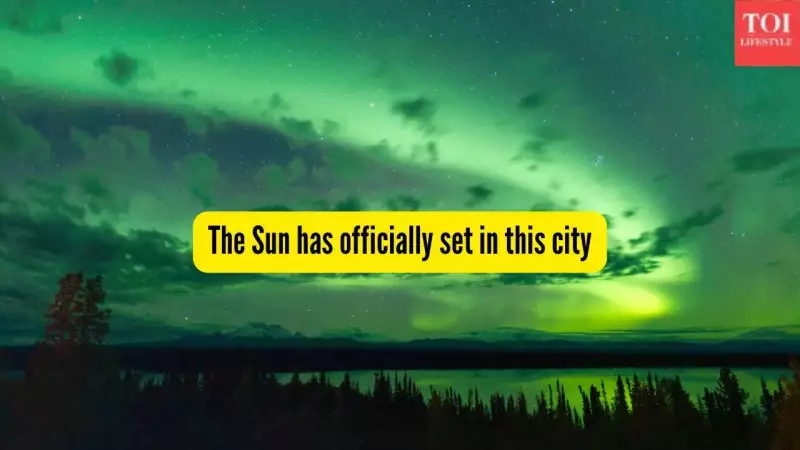
For the people of Utqiagvik, Alaska, darkness defines their winter reality. This northernmost American city, formerly known as Barrow, now experiences its annual polar night. The sun officially set in mid-November and will not rise again until January 22, 2026.
Understanding the Polar Night Phenomenon
Polar night occurs in regions above the Arctic Circle. Earth's axial tilt prevents the sun from rising above the horizon during peak winter months. This natural phenomenon brings extended periods of darkness to these northern locations.
Utqiagvik does not experience complete pitch-black conditions. Residents enjoy several hours of twilight each day. This soft blue or pink light, known as Civil Twilight, provides some illumination during the darkest period.

Surviving Extreme Arctic Conditions
Approximately 4,500 people call Utqiagvik home. They inhabit one of the world's most extreme permanently settled cities. Winter temperatures frequently drop below -30°C, accompanied by strong winds that intensify the cold.
The community has developed remarkable adaptation strategies. Artificial light therapy helps combat Seasonal Affective Disorder, a type of depression linked to sunlight deprivation. Homes, schools, and offices maintain bright lighting to simulate daytime conditions.
Social connections remain vital during long winters. Residents gather for community events and traditional activities, maintaining cultural practices that have sustained Arctic communities for generations.
The January Sunrise Celebration
January 22 marks a significant milestone for Utqiagvik. On this date, residents will witness their first sunrise of the year. The sun will appear only briefly at first, sometimes for just minutes. This event signals the gradual return of daylight hours.
Following polar night, Utqiagvik prepares for its opposite extreme: the midnight sun. During summer months, the sun remains visible for 24 hours each day, creating continuous daylight conditions.
Traveling to America's Northernmost City
Reaching Utqiagvik presents unique challenges. Air travel offers the most practical access route. Regional airlines provide flights from Anchorage, with journey times around one hour and forty-five minutes.
No roads connect Utqiagvik to mainland Alaska. Sea access becomes possible during brief summer periods but does not serve as regular transportation. The city's isolation contributes to its distinctive character.
Tourism in the Arctic Frontier
Tourism remains limited in Utqiagvik due to harsh environmental conditions. Yet these very extremes attract adventurous visitors seeking unique experiences. Key attractions include:
- Polar night and midnight sun phenomena
- Aurora Borealis displays on clear nights
- Arctic wildlife observation opportunities
- Indigenous Iñupiat cultural experiences
Local museums showcase thousands of years of Arctic survival techniques. They preserve the rich heritage of the Iñupiat people, whose traditional knowledge continues to inform modern adaptation strategies.
Global Polar Night Locations
Utqiagvik shares its polar night experience with several other Arctic communities. Notable examples include:
- Tromsø, Norway
- Longyearbyen, Svalbard
- Murmansk, Russia
These cities demonstrate human resilience in facing nature's most challenging conditions. Their residents have developed specialized lifestyles that balance modern technology with traditional wisdom.
Utqiagvik teaches valuable lessons about community resilience. While much of the world prioritizes convenience and comfort, this Arctic city thrives through survival techniques, strong social bonds, and cultural continuity. The people of America's northern frontier continue their remarkable adaptation to one of Earth's most extreme environments.