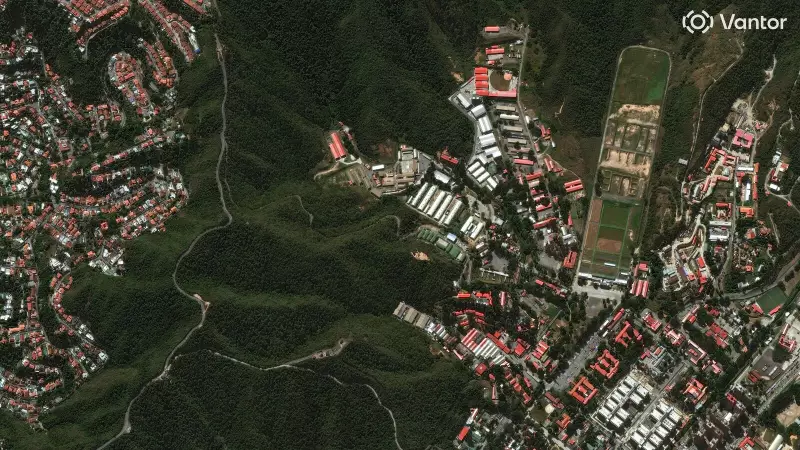
Venezuela's government has levelled a grave accusation against the United States, claiming a military operation led by US forces resulted in significant civilian and military casualties on its soil. The allegation, vehemently denied by Washington, adds a dangerous new layer to the already strained relations between the two nations.
Venezuela's Allegations of a Deadly Attack
According to Venezuela's Attorney General, Tarek William Saab, the incident took place on March 12 and 13. Saab stated that at least 35 people were killed, a figure that includes both civilians and members of the Venezuelan military. The prosecutor's office has initiated a formal criminal investigation into the matter, treating it as a serious violation of international law.
The claims were first reported by The New York Times, which cited Venezuelan officials. The alleged bombing is said to have targeted a rural area, though specific details about the location and the nature of the targets remain unclear from the Venezuelan account. This lack of granular detail has been a point of contention in verifying the events.

Firm Denial from the United States
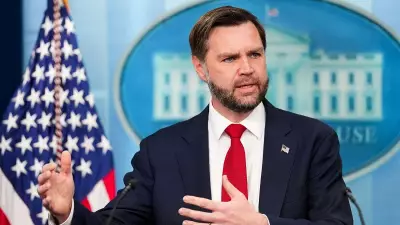
The United States has categorically rejected Venezuela's version of events. A spokesperson for the US Southern Command explicitly stated, "No U.S. military operation has taken place in Venezuela." American officials have dismissed the accusation as a fabrication, suggesting it may be a tactic by the government of President Nicolás Maduro to divert attention from internal challenges or to rally nationalistic sentiment.
This stark contradiction between the two governments' narratives creates a fog of uncertainty. Without independent verification from ground sources or international observers in the remote area, the truth of what transpired remains contested. The situation highlights the deep-seated mistrust and the absence of diplomatic channels for conflict resolution between Washington and Caracas.
Escalating Tensions in a Volatile Region
This incident, whether factual or alleged, occurs against a backdrop of prolonged and intense hostility. The United States does not recognise Nicolás Maduro's government as legitimate, having recognised opposition leader Juan Guaidó as interim president in 2019. Washington has imposed crippling economic sanctions on Venezuela's oil sector and key officials in an effort to pressure Maduro to leave power.
Venezuela, in turn, consistently accuses the US of orchestrating coup attempts, financing opposition groups, and engaging in economic warfare. An allegation of a direct military attack with civilian casualties represents a significant escalation in rhetoric. If proven true, it would constitute a major international crisis. Even as an unverified claim, it fuels anti-American propaganda within Venezuela and raises the risk of miscalculation or unintended conflict in the region.
The international community is now faced with conflicting reports from two adversarial governments. The coming days may see calls for an independent investigation, though the political will and logistical feasibility of such an endeavour are dubious. For now, the March 12-13 incident stands as a potent symbol of the broken relationship between the US and Venezuela, one where accusations of violence and aggression have become a tragic norm.