White House Evaluates Iran's Dual Diplomatic Proposals
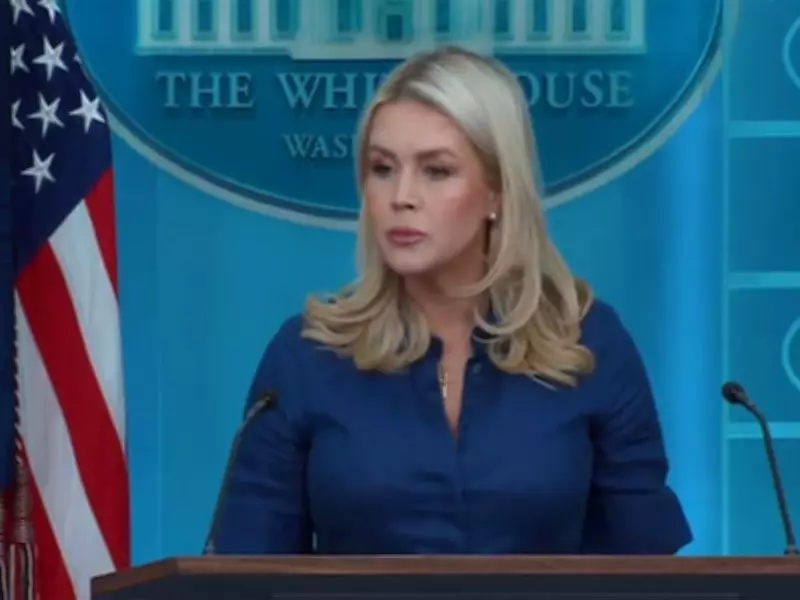
The White House has publicly addressed Iran's recent diplomatic communications, revealing a nuanced assessment of two distinct proposals put forward by the Iranian government. According to official statements, one of these plans has been characterized as "unserious," while the other is viewed as potentially "workable" in the context of ongoing international negotiations.
Details of the Proposals
While specific contents of the proposals remain confidential, sources indicate that the "unserious" plan likely includes elements deemed unrealistic or non-negotiable by U.S. officials, possibly relating to sanctions relief or nuclear program concessions without sufficient verification measures. In contrast, the "workable" proposal is understood to contain more pragmatic terms that could serve as a basis for further dialogue, potentially addressing issues such as regional security or economic cooperation.
Context and Implications
This development comes amid heightened tensions and sporadic diplomatic efforts between the United States and Iran, following the collapse of the 2015 nuclear deal. The White House's public commentary suggests a cautious but not dismissive approach, aiming to keep diplomatic channels open while maintaining pressure on Iran to adhere to international norms. Analysts note that labeling one proposal as "workable" signals a willingness to engage, albeit with clear conditions and expectations.

- The assessment was based on thorough review by U.S. diplomatic and security teams.
- Officials emphasized that any agreement must be verifiable and address core concerns, including nuclear proliferation and regional stability.
- The "workable" plan could pave the way for renewed talks, but significant hurdles remain.
International Reactions and Next Steps
International observers have reacted with mixed views, with some allies urging the U.S. to seize the opportunity for dialogue, while others caution against premature optimism. The White House has stated that it will continue to coordinate with global partners, including European nations and regional actors, to formulate a unified response. Future steps may involve backchannel communications or formal meetings, depending on Iran's willingness to modify its proposals based on feedback.