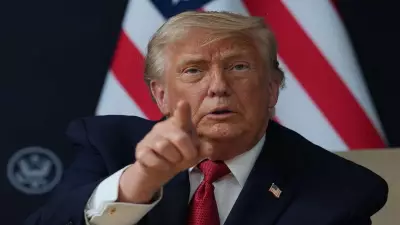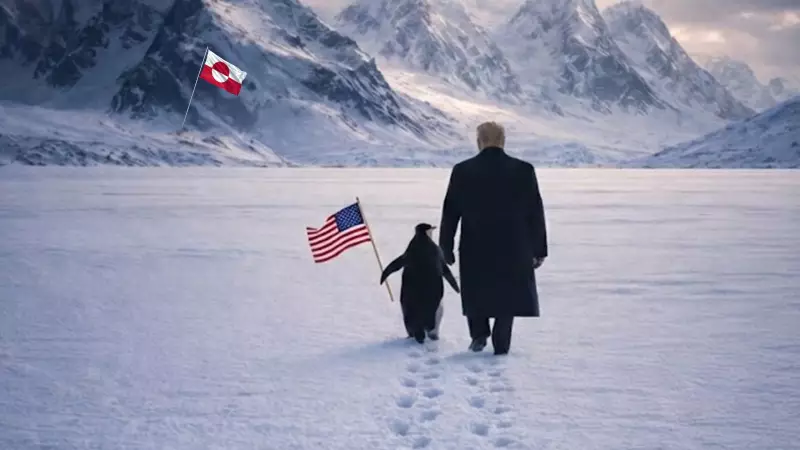
The White House has found itself in an unexpected digital spotlight, responding to a wave of viral internet memes that humorously compare former President Donald Trump to penguins. This unusual online phenomenon has captured global attention, blending political satire with animal imagery in a way that has both amused and intrigued netizens worldwide.
Internet's Creative Trolling Takes Center Stage
In recent days, social media platforms have been flooded with memes featuring penguins alongside images or references to Donald Trump. These memes often highlight perceived similarities in posture, demeanor, or other visual cues, creating a lighthearted yet pointed form of political trolling. The trend gained momentum rapidly, with users across Twitter, Instagram, and other sites sharing and creating new variations, turning it into a full-blown internet sensation.
White House's Official Reaction
When questioned about the viral penguin memes, White House officials provided a measured response. While not delving into detailed commentary, they acknowledged the existence of the memes and the broader context of online political discourse. This response marks a rare instance where the current administration has directly addressed internet-driven humor targeting a former president, highlighting the evolving intersection of digital culture and official communications.

The White House's reaction has been interpreted by observers as an attempt to navigate the fine line between engaging with public sentiment and maintaining diplomatic decorum. By acknowledging the memes without endorsing or condemning them, officials have managed to stay above the fray while recognizing the power of social media in shaping contemporary political narratives.
Broader Implications for Political Satire
This episode underscores the growing influence of internet memes as a tool for political expression and satire. In an era where digital content can go viral in minutes, such trends have the potential to impact public perception and even policy discussions. The penguin memes, while seemingly frivolous, tap into deeper currents of political commentary, using humor to critique or highlight aspects of Trump's public persona.
Experts note that the White House's response reflects a broader shift in how institutions handle online trolling and viral content. Rather than ignoring or dismissing such phenomena, there is an increasing recognition of their significance in the digital age. This approach allows for a more nuanced engagement with the electorate, particularly younger demographics who are heavy consumers of meme culture.
Global Reactions and Meme Evolution
Beyond the United States, the Trump penguin memes have sparked reactions from international audiences, adding a cross-cultural dimension to the trend. Users from various countries have contributed their own versions, often incorporating local contexts or languages, demonstrating the global reach of American political figures in internet humor.
The memes have also evolved beyond static images to include videos, GIFs, and even merchandise, showcasing the creativity and entrepreneurial spirit of online communities. This evolution highlights how digital trolling can transcend mere mockery to become a multifaceted cultural phenomenon with economic and social ramifications.
As the story continues to unfold, it serves as a reminder of the unpredictable nature of internet culture and its ability to influence mainstream discourse. The White House's handling of this situation may set a precedent for future interactions between government entities and the ever-changing landscape of online satire.