White House Press Secretary Issues Legal Warning to CBS Over Trump Interview
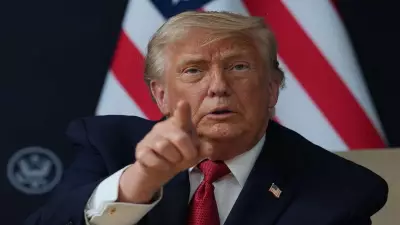
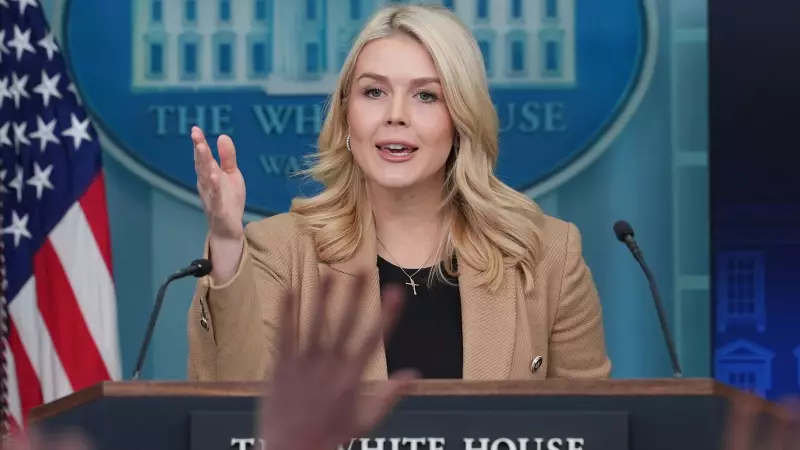
White House Press Secretary Karine Jean-Pierre has issued a stern warning to CBS News. She demands the network air an upcoming interview with former President Donald Trump without any edits. Jean-Pierre threatens legal action if CBS alters the content.
Details of the Controversial Interview
CBS plans to broadcast an interview with Donald Trump soon. The network has not revealed the exact date or full context. However, the White House fears selective editing could distort Trump's message.
Karine Jean-Pierre argues that any changes would misrepresent the former president's views. She emphasizes the importance of presenting the interview in its complete form. This stance reflects ongoing tensions between the Trump camp and mainstream media.

Legal Threats and Media Freedom Debate
The warning from the White House press secretary includes a clear legal threat. Jean-Pierre states CBS could face a lawsuit if it edits the interview. This move raises questions about press freedom and editorial control.
Media experts note that networks typically edit interviews for clarity and time. But the White House insists this case is different. They claim unedited airing is crucial for public understanding.
Critics argue the threat could chill journalistic practices. Supporters say it protects against biased reporting. The situation highlights the polarized media landscape in the United States.
Reactions from CBS and Broader Implications
CBS News has not yet issued a formal response to the warning. The network likely faces pressure to balance editorial standards with legal risks. This incident could set a precedent for future political interviews.
Donald Trump has a history of contentious media relations. His team often accuses outlets of unfair coverage. The White House's intervention adds a new layer to this dynamic.
Observers watch closely as the deadline for the interview approaches. The outcome may influence how networks handle sensitive political content. It also tests the boundaries of free speech and media responsibility.