The Indian government has revised the special additional excise duty (SAED) on exports of petrol, diesel, and aviation turbine fuel (ATF) effective July 1, 2026, while leaving excise duties on domestically sold fuel unchanged. The fortnightly adjustment is part of a mechanism introduced in March 2026 to ensure domestic fuel availability amid the West Asia crisis.
New Export Duty Rates from July 1
According to notifications issued by the Ministry of Finance on June 30, the export duty on petrol has been set at Rs 4 per litre, diesel at Rs 8.5 per litre, and ATF at Rs 7.5 per litre. The road and infrastructure cess (RIC) remains nil for both petrol and diesel, meaning the SAED constitutes the entire export levy. These rates take effect from July 1, 2026, and will be reviewed again after two weeks.
The government reviews the export duties every fortnight based on average international prices of crude oil, petrol, diesel, and ATF since the last review. The previous revision was done on June 16, 2026.

Expanded Exemptions for Neighbouring Countries
Alongside the rate changes, the Centre has expanded the list of countries exempted from the export duty. Previously, exports of petrol, diesel, and ATF by public sector oil companies to Nepal, Bhutan, Bangladesh, and Sri Lanka were exempt. The exemption now also covers Mauritius and the Maldives.
This move is aimed at strengthening diplomatic and economic ties with these island nations while ensuring their energy security.
No Change in Domestic Fuel Taxes
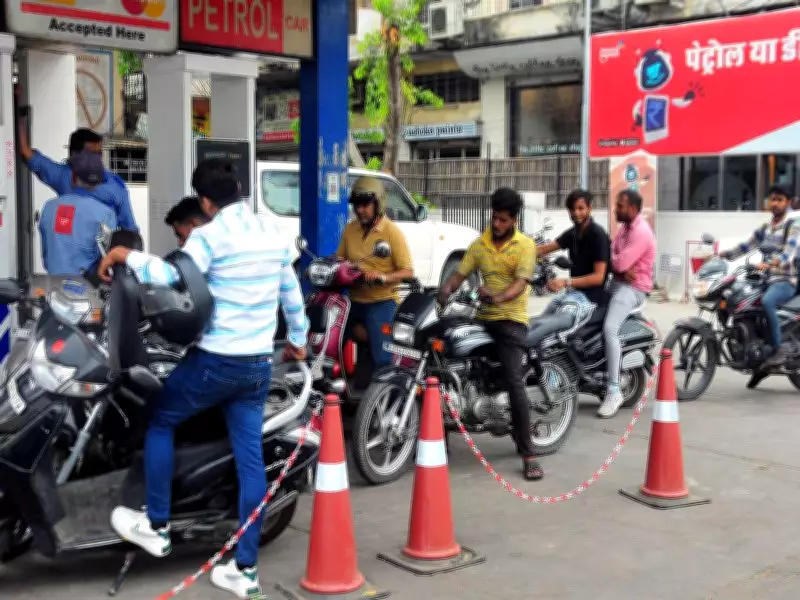
Importantly, there is no change in the existing excise duty on petrol and diesel cleared for domestic consumption. Consumers buying fuel at pumps in India will not see a direct impact from these notifications. The government has maintained that the export duty mechanism is designed to discourage exports and secure domestic supply, not to alter domestic taxation.
An official statement confirmed that the revised rates are part of the government's ongoing efforts to manage fuel availability in the domestic market, especially given the volatility in global oil markets.