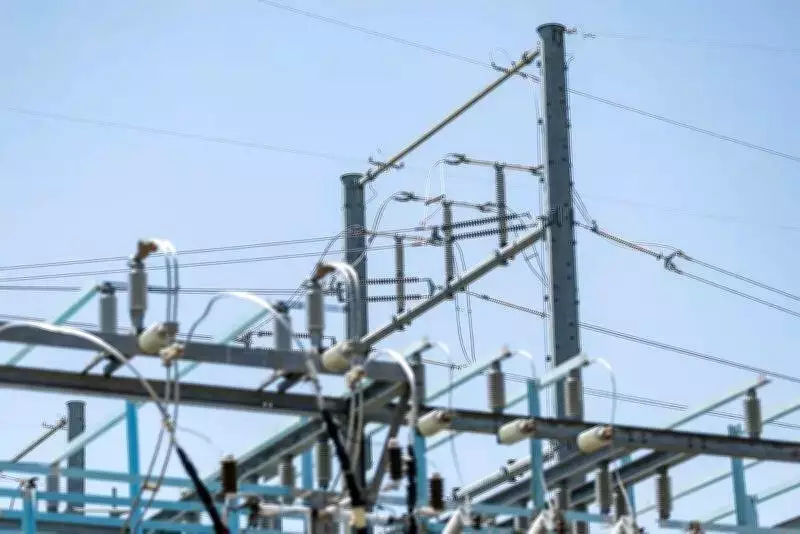
Patiala: Punjab's power sector faced severe strain on Friday as six thermal generation units with a combined capacity of 1,810 MW shut down due to a series of technical failures, even as the state's power demand surged past the 15,000 MW mark during the ongoing paddy transplantation season.
Multiple Plant Breakdowns
The breakdowns struck across several plants simultaneously. At the state-owned GATP (formerly GVK Pvt) Power Plant in Goindwal Sahib, a boiler problem knocked out one unit. At the Guru Gobind Singh Super Thermal Power Plant (GGSSTP) in Ropar, Unit No. 4 experienced a flame failure and had not yet resumed operations. At the Guru Hargobind Thermal Plant (GHTP) in Lehra Mohabbat, Units 1 and 3 faced ash handling problems, while Unit 2 was rendered dysfunctional due to clinker formation, where coal residue solidified in the furnace and disrupted combustion. Adding to the failures, one unit of the 1,980 MW private plant Talwandi Sabo Power Limited (TSPL) in Mansa district also went down due to a boiler fault.
Official Confirmation
Director of Generation, Punnerdeep Singh, confirmed the situation, stating that five units in Punjab's thermal power plants suffered outages on Friday due to technical issues, while the Ropar unit was already down and continued to await revival.

Installed Capacity Overview
Punjab's state-owned thermal plants have a combined installed capacity of 1,760 MW, with GGSSTP Ropar rated at 840 MW and GHTP Lehra Mohabbat at 920 MW. In the private sector, TSPL at Mansa holds 1,980 MW capacity, while GVK at Goindwal Sahib contributes 540 MW.
Power Generation Snapshot
On Friday evening, the state's gross generation stood at approximately 4,600 MW, with thermal generation from state-owned plants at around 830 MW and hydro at 900 MW. Contributions from Independent Power Producers (IPPs) were approximately 2,800 MW, while solar contributed 380 MW. The state's scheduled drawl from the northern grid reached around 11,000 MW against a total demand of 15,835 MW.
Demand Trends and Challenges
On Thursday, maximum demand was 15,700 MW with supply of 3,300 lakh units. Power experts said demand is expected to cross 18,000 MW in the coming days as temperatures rise, adding that increased use of air conditioners has also boosted domestic load. Punjab's power demand surged amid intense heat and the advancing paddy transplantation season, with some parts of the state already witnessing unscheduled power cuts. Punjab cultivated paddy on nearly 32 lakh hectares, with 73% of this area irrigated by tubewells. PSPCL records indicate there are 13.94 lakh tubewell connections in the state, all drawing power intensively during the sowing window.
Dependence on External Procurement
The public sector thermal units' generation remained constrained, while the state relied on buying power, including cheaper solar power, to supplement daytime demand. The draw schedule from the northern grid rose sharply, reflecting the state's growing dependence on external procurement to bridge its generation deficit.
Weather and Structural Vulnerabilities
Weather forecasts indicating a return of hot and humid conditions with rising temperatures added to PSPCL's challenges, as higher temperatures drive greater air conditioning and irrigation loads simultaneously. Power sector analysts noted that the recurring pattern of thermal unit failures during the paddy season exposes a structural vulnerability in Punjab's generation infrastructure. Boiler problems, flame failures, and ash handling breakdowns have historically plagued both state-run and private plants when maximum generation is required.
Financial Implications
The Punjab State Power Corporation Limited (PSPCL) is expected to increase power procurement from the open market and the power exchange to offset the generation shortfall, though such emergency purchases come at a significantly higher cost, impacting the state exchequer and the financial health of the utility.
Restoration Efforts
Officials said restoration teams are working on priority to revive the tripped units at the earliest, though no firm timeline has been given for full restoration of all six affected units.