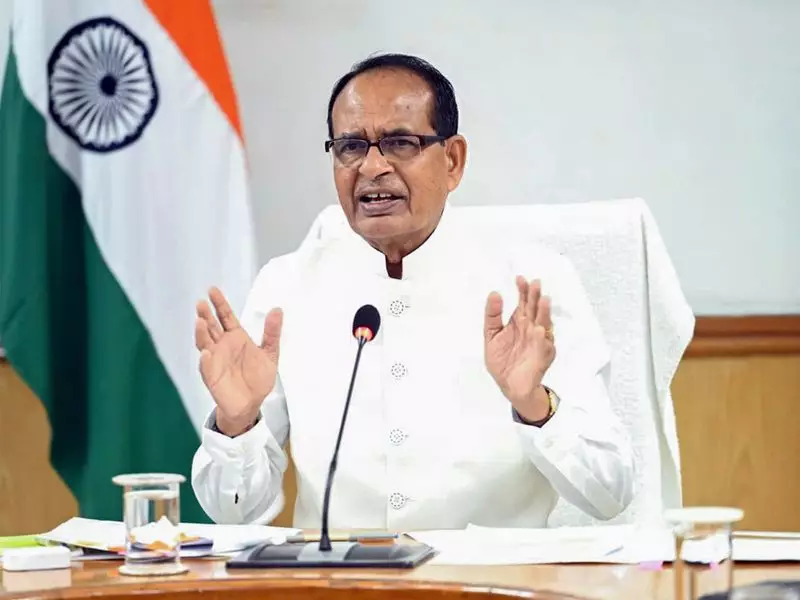
Union Minister for Agriculture and Farmers Welfare, Shivraj Singh Chouhan, has openly acknowledged the significant difficulties faced by farmers in cultivating pulses and oilseeds across India. The minister's remarks came during a high-level review meeting focused on the oilseeds and pulses sectors, where he pinpointed several persistent issues hindering productivity and farmer profitability.
Core Challenges Identified by the Agriculture Minister
Minister Chouhan outlined a multi-faceted set of problems that require immediate and sustained attention. A primary concern is the high risk associated with cultivating these crops due to their vulnerability to erratic weather patterns and climate change. Unlike some more resilient crops, pulses and oilseeds are highly sensitive to rainfall variability and temperature fluctuations, making yields unpredictable.
Compounding the climate risk is the critical issue of inadequate irrigation facilities. A substantial portion of the area under these crops is still dependent on monsoon rains, leaving farmers exposed to the whims of nature. The lack of assured water sources prevents many farmers from committing more land to pulses and oilseeds, which are often seen as riskier propositions compared to water-guzzling alternatives in irrigated zones.

Beyond the fields, market-related challenges continue to plague growers. Chouhan highlighted problems such as price volatility, the need for more efficient procurement mechanisms, and issues related to storage and processing. These factors often discourage farmers from investing in better technologies and inputs for these crops, creating a cycle of low investment and low returns.
Government's Strategic Response and Future Plans
In response to these challenges, the ministry is actively working on a comprehensive strategy. The focus is on promoting climate-resilient agricultural practices and the adoption of high-yielding, disease-resistant seed varieties developed by Indian research institutions. The goal is to stabilize production and reduce the risk factor for farmers.
A major thrust area is the expansion of irrigation coverage through micro-irrigation systems and the perfection of water management techniques. Schemes aimed at bringing more area under assured irrigation are being prioritized to create a safer environment for cultivating these essential but sensitive crops.
On the market front, the government is looking to strengthen the Minimum Support Price (MSP) regime and procurement operations. The aim is to ensure that farmers receive remunerative prices for their produce, thereby boosting confidence and incentivizing production. Efforts are also being channeled into improving post-harvest infrastructure to minimize losses.
Implications for India's Agricultural Landscape
The minister's candid assessment underscores a critical national priority: reducing dependence on imports for pulses and edible oils. India spends a colossal amount of foreign exchange annually on importing these commodities to meet domestic demand. Successfully addressing the outlined challenges is pivotal for achieving atma nirbharta (self-reliance) in this sector.
Enhancing domestic production of pulses and oilseeds is not just an economic imperative but also a crucial step toward ensuring nutritional security for the population. Pulses are a vital source of protein, while oilseeds are fundamental for edible oil needs. A boost in their production aligns directly with the nation's food security and public health goals.
The review meeting signals the government's intent to move beyond generic support and tackle the specific, ground-level obstacles that have historically capped the growth of these sub-sectors. The success of the proposed strategies will be closely watched by millions of farmers and will significantly influence India's agricultural trade balance in the coming years.