India’s Assistive Technology Market Poised for Rapid Growth
India’s assistive technology market could reach USD 8-10 billion by 2030, yet less than 10% of people in low- and middle-income countries currently have access to such devices, according to a white paper released by the National Centre for Promotion of Employment for Disabled People (NCPEDP).
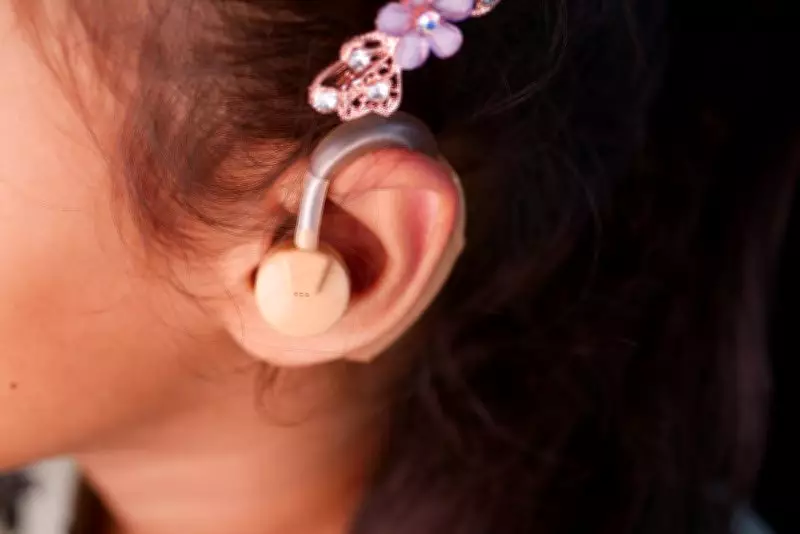
The paper emphasizes that the need for assistive technology is growing rapidly worldwide. According to the World Health Organization, more than 2.5 billion people globally require at least one assistive technology product, such as eyeglasses, hearing aids, wheelchairs, prosthetics, or communication applications.
The report calls for a comprehensive overhaul of how India designs, delivers, finances, and sustains assistive technology for persons with disabilities, older persons, and those with functional limitations. Experts argue that assistive technology buyers should be seen as “consumers” rather than “beneficiaries,” and that a robust ecosystem can improve inclusion and independence while driving innovation, entrepreneurship, and job creation.

Key Barriers and Recommendations
The white paper identifies fragmented responsibilities across ministries, weak service networks, inadequate financing, lack of lifecycle support, and low awareness among beneficiaries as key barriers to widespread adoption of assistive technology. It recommends stronger inter-ministerial coordination, lifecycle-based service delivery, quality and safety standards, workforce development, innovative financing models, insurance-linked coverage, and robust monitoring systems.
Launching the white paper, Manmeet Kaur Nanda, Additional Secretary of the Department of Empowerment of Persons with Disabilities (DEPwD), said: “Assistive technology is central to enabling independence, dignity and equal participation. The recommendations in this White Paper provide an important roadmap for future action.”
Repositioning Assistive Technology as a Development Priority
NCPEDP Executive Director Arman Ali stressed the need to reposition assistive technology from a welfare issue to a development and economic growth priority. “For too long, assistive technology has been viewed only as a device distribution issue. It is much more than that. It determines whether a child can learn, whether an adult can work, whether an elderly person can live independently and whether millions can participate fully in society. India now needs a National Assistive Technology Policy that creates a complete ecosystem, not just another scheme,” he said.
Ali noted that millions of elderly people and those living with long-term health conditions such as diabetes, dementia, vision impairment, and hearing loss rely on products and services like wheelchairs, hearing aids, spectacles, white canes, and speech recognition software to live independently and participate fully in society.
Opportunity for a Global Hub
Deepa Nagraj, Senior Vice President and Head of Mphasis, observed that India has one of the largest populations of persons with disabilities in the world. With greater investment in accessibility and assistive technologies, India can unlock a significant and flourishing market while driving meaningful social impact.
Expert Subodh Sachan said the country is well placed to emerge as a global hub for assistive technology innovation. “India has the startups, research institutions, digital infrastructure and manufacturing capabilities needed to lead this sector. What is required now is a coordinated policy and investment framework that helps innovation scale and reach those who need it most,” he noted.