India and Iran on Thursday explored ways to deepen cooperation in the energy sector as Iranian Petroleum Minister Mohsen Paknejad held separate talks with Union Petroleum and Natural Gas Minister Hardeep Singh Puri and Union Power Minister Manohar Lal on the sidelines of the 11th BRICS Energy Ministers’ Meeting.
Significance of the Talks
The discussions assume significance against the backdrop of recent US sanctions relief for Iran’s energy sector and growing efforts by major economies to secure diversified sources of oil and gas supplies following months of turmoil in West Asia. According to official statements, the two sides discussed expanding bilateral energy cooperation and identifying new avenues for collaboration.
Paknejad is in India to participate in the BRICS Energy Ministers’ Meeting being hosted under India’s BRICS Chairship 2026. Iran was once among India’s principal crude oil suppliers, with Indian refiners importing substantial volumes of Iranian oil until 2019, when the United States ended sanctions waivers and reimposed restrictions on Tehran’s energy exports. The sanctions effectively halted Iranian crude shipments to India and sharply curtailed energy engagement between the two countries.

US Sanctions Relief and Its Impact
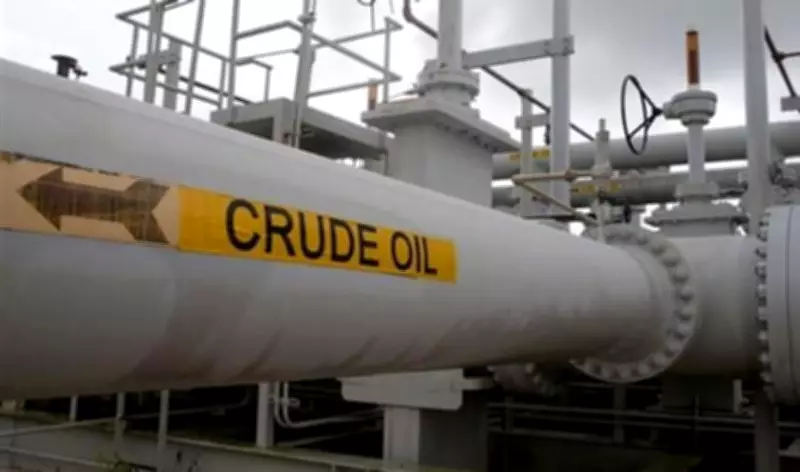
The meeting comes days after the US Treasury Department issued General License X, authorising the production, sale, transportation and import of Iranian crude oil, petroleum products and petrochemicals until August 21 as part of ongoing negotiations between Washington and Tehran. The temporary waiver also permits associated banking, insurance and shipping services and allows payments in US dollars.
The sanctions relief is expected to facilitate the return of larger volumes of Iranian crude to international markets and has prompted major buyers to assess fresh procurement opportunities. Reports indicate that even Chinese state-owned refiners are evaluating the possibility of resuming purchases from Iran following the easing of restrictions.
Energy Security for India
For India, the renewed engagement with Tehran comes at a time when energy security has assumed greater importance amid geopolitical tensions, supply chain disruptions and volatility in global oil markets. The recent conflict in West Asia and concerns over shipping through the Strait of Hormuz—a critical artery for global oil trade—have reinforced the need for diversified and reliable sources of energy supplies.
The discussions also underline the growing importance of BRICS as a platform for engagement among major energy producers and consumers on issues ranging from hydrocarbon supplies and critical minerals to renewable energy, hydrogen and energy storage technologies.