

Business momentum in India's crucial services and manufacturing sectors retreated in December 2025, dampening corporate confidence as firms navigated a trifecta of subdued demand, stiff competition, and persistent cost pressures. The latest purchasing managers' index (PMI) data reveals a broad-based softening, pushing a key composite index lower.
Services and Manufacturing Lose Steam
The seasonally adjusted HSBC India Services PMI Business Activity Index fell to an 11-month low of 58.0 in December, down from 59.8 in November. Growth in new work orders eased, leading to a slower expansion in output and causing companies to hold back on hiring additional staff. The survey report highlighted that growth was constrained by a greater presence of alternative providers and cheaper services available elsewhere.
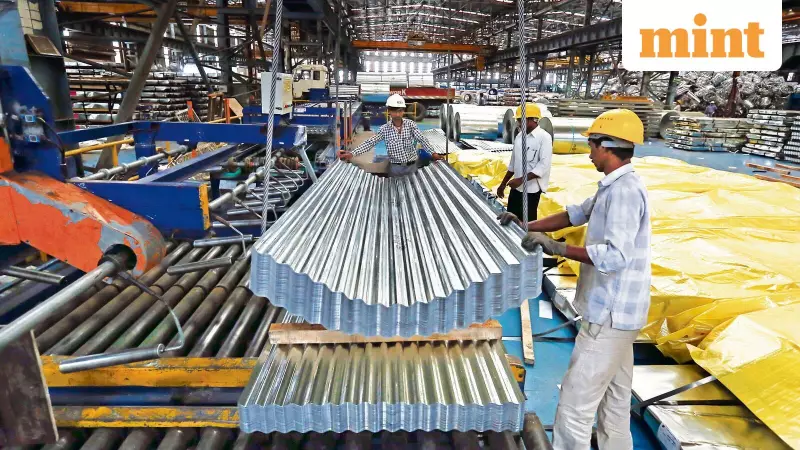
In the manufacturing sector, the slowdown was even more pronounced. The headline HSBC India Manufacturing PMI dropped to a two-year low of 55.0 in December from 56.6 the previous month. Increased competitive pressures and muted sales of specific items severely hurt new order intakes. A part of this sales slowdown was attributed to weaker international demand, with the new export orders sub-index rising at its slowest pace in 14 months.

Cost Pressures and Cautious Pricing
Operating expenses continued to rise for businesses. Services firms reported cost pressures from building materials, chemicals, medical supplies, salaries, vegetables, and office maintenance fees. Manufacturers faced higher prices for bamboo, chemicals, glass, leather, and packaging.
However, in a sign of competitive markets and efforts to retain customers, fewer than 3% of services companies raised their selling charges in December despite elevated costs. In manufacturing, the rate of output price increase was the softest in nine months. Overall cost inflation, while present, remained below its long-run average.
Outlook and Expert Analysis
The combined deterioration pushed the Composite PMI Output Index down to 57.8 in December from 59.7 in November. Reflecting the challenging environment, business optimism slumped. The composite index tracking future expectations plunged to a 41-month low.
Service providers expressed worry over market uncertainty and exchange rate movements, while manufacturers were concerned about competitive pressures. However, economists point to potential silver linings. Gaura Sen Gupta, chief economist at IDFC First Bank, noted that other high-frequency indicators like freight transportation and the Index of Industrial Production suggest broad-based growth for the December quarter (Q3 FY26).
She highlighted that robust monsoon performance, a pick-up in rural wage growth, and a goods and services tax cut are expected to support demand. Sen Gupta expects Q3 FY26 GDP growth at 7.4% and full-year FY26 growth at 7.6%. The widespread expectation is that monetary and fiscal policy support will aid a revival in domestic demand ahead, potentially insulating the services sector more than export-facing manufacturers.






